November 14, 2025
Choosing protein by grams per 100 kcal keeps meals lean and efficient. We also weigh bioavailability (amino acid completeness and digestibility) so you get more usable protein per bite.
Protein density (per 100 kcal) + bioavailability determines practical protein quality.
Soy foods lead the list for both density and amino acid completeness.
Dals and legumes are widely available; soak, pressure-cook, ferment, or sprout to improve digestibility.
Pair pulses with grains (rice/millets) to boost amino acid balance.
Choose unsweetened, minimally processed options to keep calories clean and protein efficient.
We ranked vegan protein sources commonly available across India (kirana stores, local markets, and online) by protein per 100 kcal. Ties or close values were ordered using bioavailability indicators (amino acid completeness, PDCAAS ranges, and digestion improvements via soaking, sprouting, pressure-cooking, and fermentation). Data is based on typical Indian retail products and standard nutrition tables; values can vary by brand and preparation.
Grams of protein per 100 kcal show how efficiently you can hit protein targets without excess calories. Bioavailability ensures your body actually absorbs and uses that protein for muscle repair, satiety, and overall health.
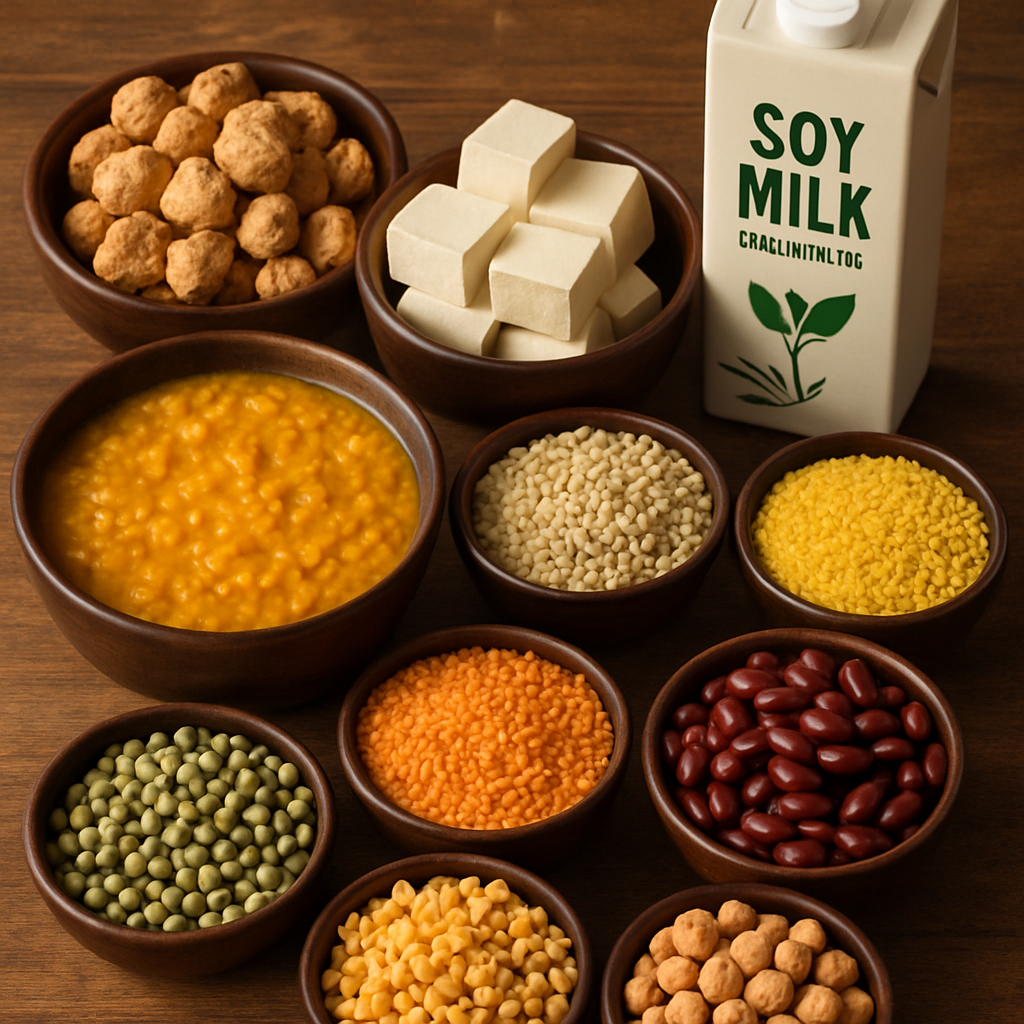 Indian vegan protein essentials ranked by protein per 100 kcal and bioavailability.
Exceptional protein density and near-complete amino acid profile (PDCAAS ~0.9–1). Ubiquitous in kirana stores and online. Quick to rehydrate and versatile for curries, stir-fries, and pulao.
Great for
High-quality soy protein with excellent digestibility (PDCAAS ~0.9–1). Lean, convenient, and versatile. Widely available in supermarkets and online; many local brands across metros.
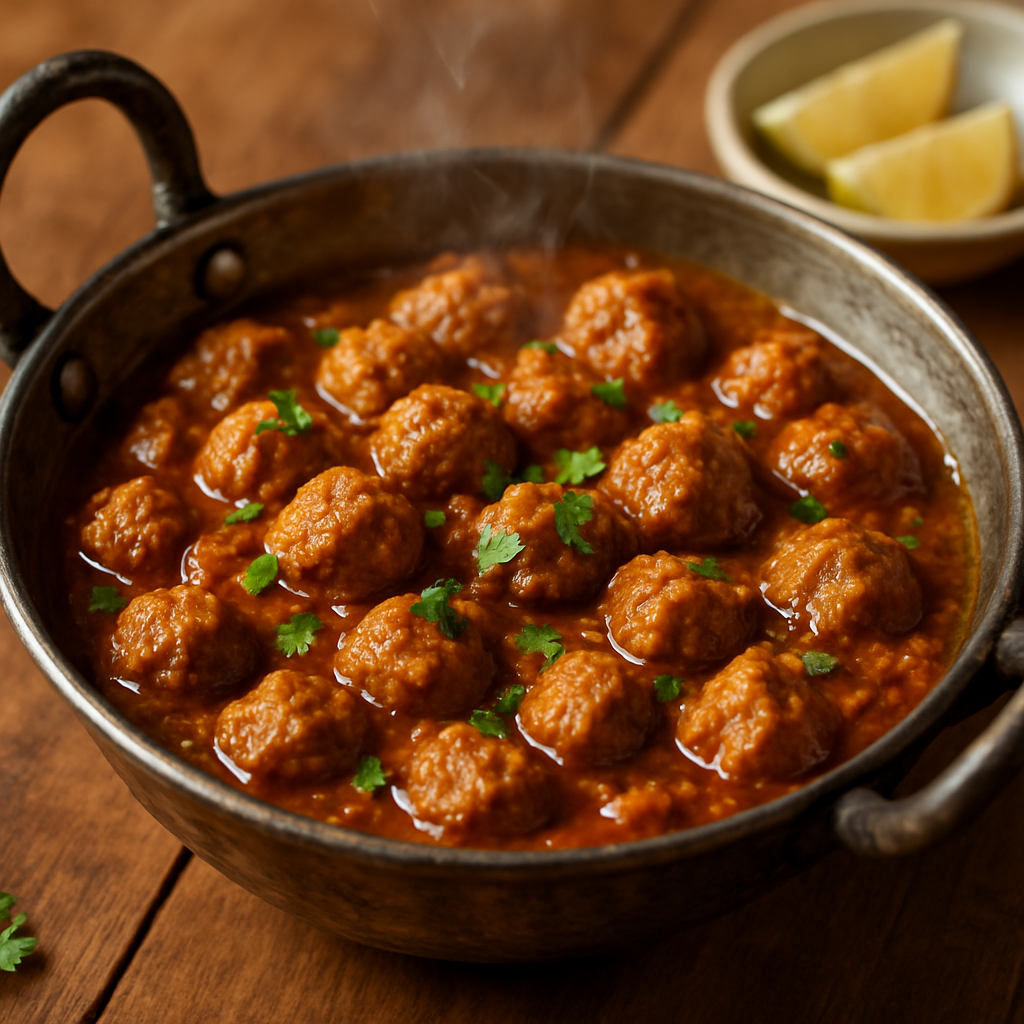 Soy chunks deliver the highest protein per 100 kcal with near-complete amino acids.
Soy-based foods dominate because they combine high protein density with a near-complete amino acid profile, yielding strong bioavailability.
Dals and legumes cluster together: similar protein per 100 kcal with modest bioavailability that improves significantly via soaking, pressure-cooking, sprouting, and fermentation.
Pairing pulses with rice or millets complements limiting amino acids (notably methionine), effectively boosting protein quality without extra cost.
Protein per 100 kcal shines for weight management: picking dense sources lets you hit daily protein targets while controlling calories.
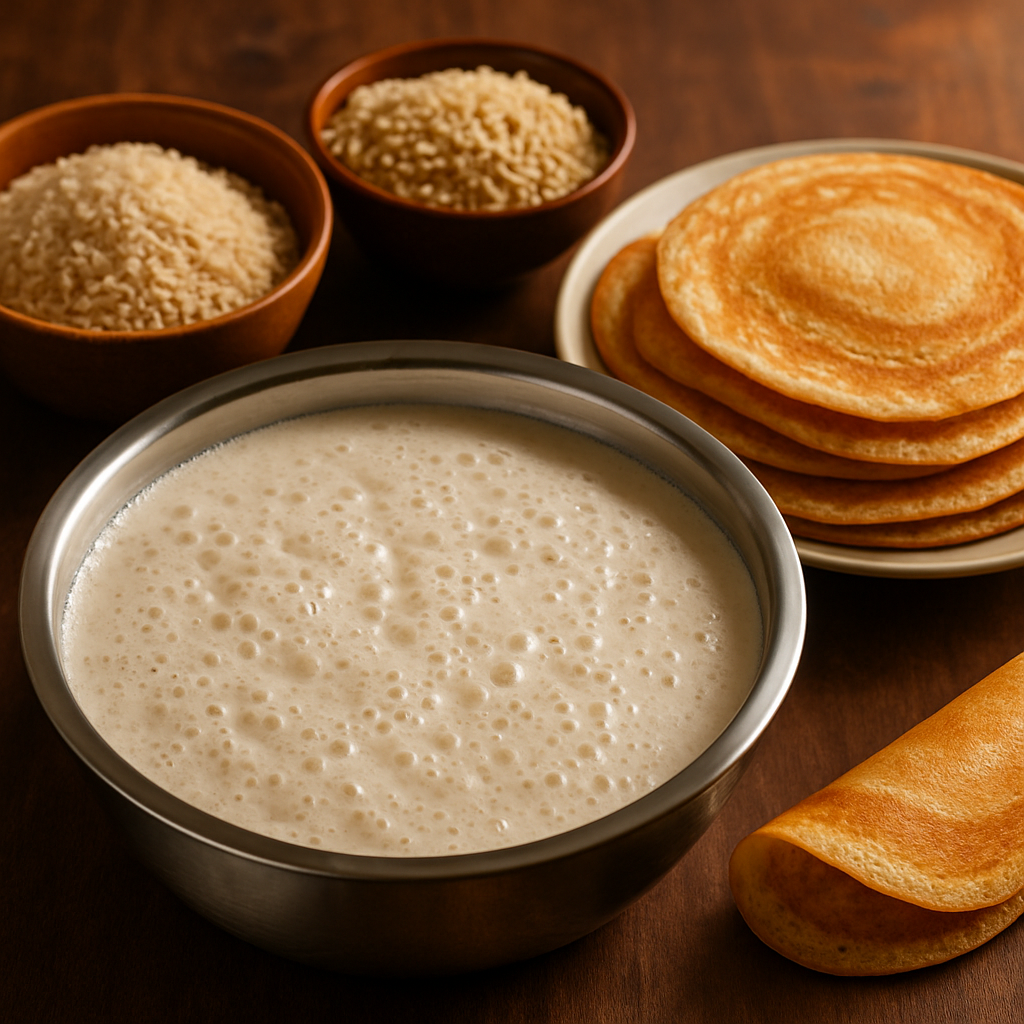 Fermentation of urad dal batter improves digestibility and amino acid availability.
Frequently Asked Questions
Protein per 100 kcal tells you how efficiently a food delivers protein for the calories you spend. It helps you hit protein targets without overshooting energy, which supports muscle gain, fat loss, and metabolic health.
Bioavailability reflects how well your body digests and uses the protein (amino acid completeness and digestibility). For plants, soaking, sprouting, pressure-cooking, fermenting, and pairing pulses with grains can improve protein quality.
Soak overnight (add a pinch of baking soda if tolerated), rinse, pressure-cook thoroughly, and consider fermented preparations (idli/dosa). Start with easier options like moong dal, and add spices like hing, cumin, and ajwain.
Yes. Soy is a high-quality vegan protein with strong safety data. Rotate forms (tofu, soy milk, soy chunks) and keep portions balanced. If you prefer less soy, lean on dals, beans, and peas while using grain pairing for amino acid balance.
General targets range 1.2–2.0 g/kg body weight depending on activity and goals. Distribute protein over 3–5 meals and include soy or well-prepared pulses to reach per-meal thresholds that support muscle protein synthesis.
Focus on protein per 100 kcal and bioavailability to pick smarter vegan staples. Build your plate around soy (chunks, tofu, milk), rotate dals and legumes, and use cooking methods that boost digestibility. Pair pulses with grains to maximize quality and hit daily goals cleanly and affordably.
Track meals via photos, get adaptive workouts, and act on smart nudges personalised for your goals.
AI meal logging with photo and voice
Adaptive workouts that respond to your progress
Insights, nudges, and weekly reviews on autopilot
Great for
Liquid protein with solid bioavailability (PDCAAS ~0.9–1), shelf-stable packs, and easy daily use. Ideal for smoothies, oats, or as a cooking base. Widely orderable online and available in metros.
Great for
Among the most protein-dense dals. Bioavailability improves with fermentation (idli/dosa batter) and thorough pressure-cooking. Found across India in every kirana.
Great for
High protein density among legumes. Bioavailability improves with soaking and pressure-cooking; pair with rice for amino acid completeness. Widely available dry and canned.
Great for
Easy to digest, cooks fast, and widely accessible. Sprouting improves enzyme activity and amino acid availability. Excellent for daily khichdi, cheela, or dal.
Great for
Solid protein density and fiber; very affordable and commonly available. Bioavailability improves with soaking and thorough cooking. Great for curries, soups, and cutlets.
Great for
Fast-cooking dal with reliable availability across India. Bioavailability is decent and improves with soaking/pressure-cooking. Versatile for curries and soups.
Great for
Staple dal with good protein and fiber. Bioavailability improves with soaking and pressure-cooking; roasting into sattu offers a quick drinkable protein option.
Great for
Versatile and widely available dry or canned; makes chole, hummus, and salads. Bioavailability improves with soaking, pressure-cooking, and removing skins if sensitive.
Great for
