November 14, 2025
Protein quality isn’t just grams per serving—it’s how much protein you get per 100 kcal and how well your body absorbs it. This list ranks Indian vegetarian staples using protein density, bioavailability, and real-world availability so you can eat smarter anywhere in India.
Judge protein quality by protein per 100 kcal and bioavailability, not just grams per serving.
Soy and dairy lead on absorption; pulses improve with soaking, sprouting, and pressure cooking.
Most top options are everyday Indian staples—easy to find at kirana stores, dairy booths, or online.
Mix legumes with grains or dairy/soy to cover amino acids and boost overall protein quality.
We ranked items using a composite score: 1) Protein density (g per 100 kcal; 50% weight), 2) Bioavailability (DIAAS/PDCAAS where available; 30%), 3) India-wide accessibility and affordability (20%). Protein per 100 kcal prioritizes efficiency; DIAAS/PDCAAS indicates how much your body can use; accessibility reflects kirana/dairy/mandi presence or easy online ordering.
If getting protein requires rare products or too many calories, most people won’t sustain it. Focusing on protein per 100 kcal and absorption helps you hit targets without excess calories, while choosing widely available foods keeps the plan practical across urban and rural India.
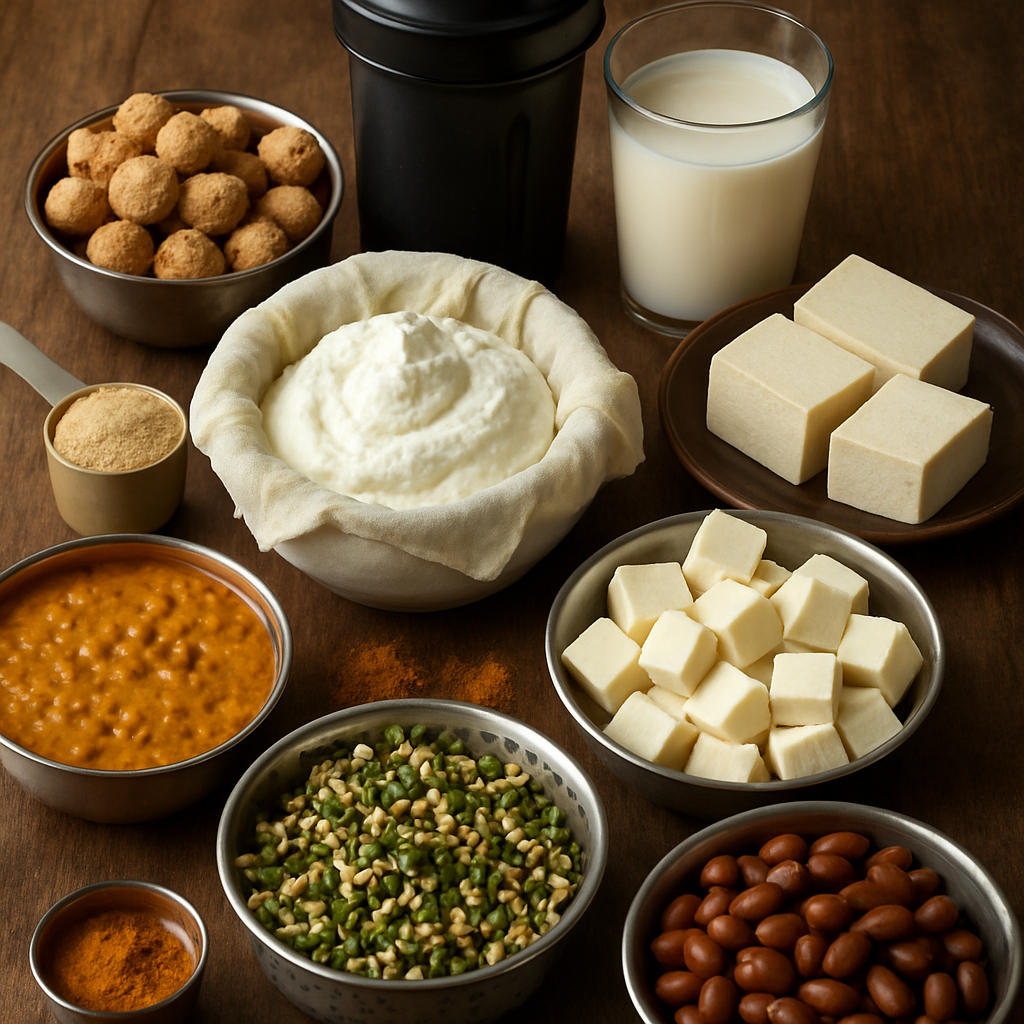 Indian vegetarian protein staples ranked by protein per 100 kcal and bioavailability.
Exceptional protein density, strong amino acid quality for a plant food, and ultra-wide availability at kirana shops nationwide at low cost.
Great for
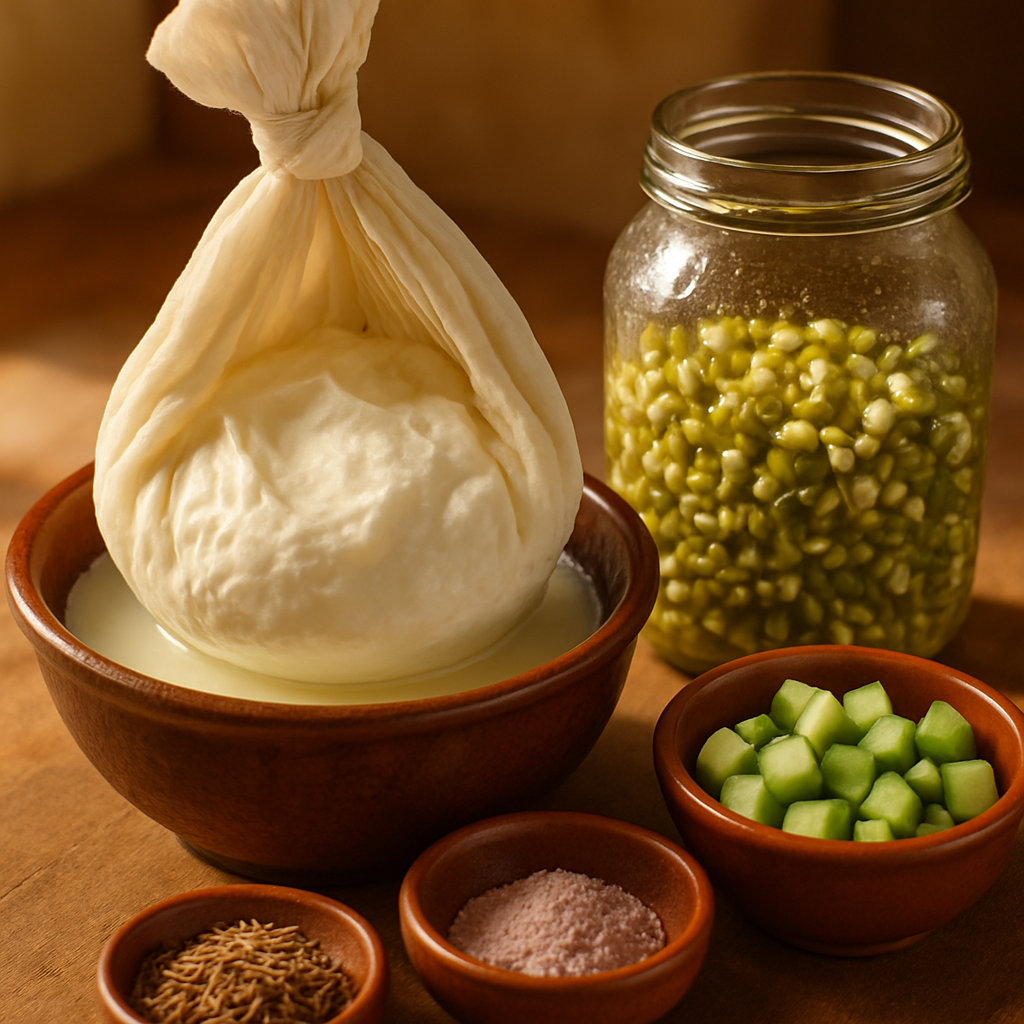 Hung curd and sprouting moong boost protein quality at home with minimal tools.
Dairy and soy dominate on bioavailability: casein/whey and soy protein deliver more usable protein per calorie than most pulses.
Protein per 100 kcal flips common assumptions: paneer beats many pulses in absorption, but tofu/soya chunks outpace it in protein density.
Preparation upgrades legumes: soaking, sprouting, fermenting, and thorough pressure cooking improve digestibility and amino acid availability.
Accessibility matters for adherence: staples like milk, dahi, dal, and soya chunks are more likely to be eaten daily than hard-to-find specialty items.
Frequently Asked Questions
A practical target is 1.2–1.6 g/kg body weight for active adults (e.g., 60–80 g for a 50 kg person). Distribute across 3–4 meals with 20–30 g protein each for better muscle protein synthesis.
Rinse and soak 8–12 hours, discard soaking water, pressure cook thoroughly, and add a probiotic or vitamin C source (curd/lemon). Sprouting and fermenting batters (idli/dosa) also help.
Not in a single meal, but over the day combine legumes with grains (dal–rice, chole–roti) or include dairy/soy to cover limiting amino acids like methionine or lysine.
Yes. In typical dietary amounts, soy is safe for men and women. Choose minimally processed options (tofu, soya chunks, soy milk) and vary protein sources as with any diet.
Bhuna chana, hung curd with salt/jeera, a whey shake, sprouts chaat, or a tofu/paneer bhurji roll. All are portable, quick, and protein-efficient.
Pick 2–3 foods from the top half of this list and make them your daily anchors—soya chunks or tofu for plant density, and milk or hung curd for top-tier absorption. Then rotate dals, chole, and rajma for variety. By focusing on protein per 100 kcal, bioavailability, and what’s easy to buy where you live, you’ll hit your protein goals consistently without overhauling your routine.
Track meals via photos, get adaptive workouts, and act on smart nudges personalised for your goals.
AI meal logging with photo and voice
Adaptive workouts that respond to your progress
Insights, nudges, and weekly reviews on autopilot
Highest protein per 100 kcal and gold-standard absorption; ranked second because accessibility depends on ordering/stock and price.
Great for
Excellent absorption, minimal prep, and nationwide dairy network access; protein density improves as fat % drops.
Great for
Dairy-quality protein with higher density than regular curd and can be made at home with basic tools.
Great for
Strong protein efficiency and improved digestibility via sprouting, with near-universal access to raw moong.
Great for
Efficient, complete plant protein; ranked below sprouts due to variable availability outside cities.
Great for
High-quality casein with great taste and availability; protein density is lower due to fat, so it ranks mid-table.
Great for
Daily staple across India with good protein efficiency, especially when cooked properly to improve digestibility.
Great for
Reliable, shelf-stable, and versatile; roasted gram/sattu are portable snacks and easy drinks with decent protein per calorie.
Great for
Solid protein density for a legume and widely loved; ranks lower due to longer cooking and potential digestive issues if undercooked.
Great for