December 19, 2025
Fat loss is mostly about sustaining a calorie deficit while keeping hunger and decision fatigue low. This guide gives a repeatable meal planning method built around protein, fiber, and convenience so you can stay consistent even on busy weeks.
Start with a realistic calorie target, then anchor every day with a protein goal to protect fullness and muscle.
Plan your week around a small set of repeatable meals and mix-and-match building blocks to reduce decisions.
Use convenience strategically: frozen produce, bagged salads, rotisserie chicken, and ready grains can outperform “perfect” plans you cannot follow.
Portion and environment beat willpower: pre-portion snacks, plate meals, and default to high-volume sides.
Track outcomes weekly and adjust one variable at a time: calories, steps, protein, or meal timing.
This guide is organized as an ordered set of practical systems you can implement. The priority order is based on what most reliably drives fat loss for busy adults: creating a consistent calorie deficit, improving satiety, reducing time and decisions, maintaining adequate protein and micronutrients, and minimizing friction in shopping, cooking, and eating on-the-go.
Most people do not fail from lack of nutrition knowledge; they fail from lack of a workable routine under real-world constraints. A good meal plan is the one you can repeat with minimal effort, that fits your schedule, and that reliably produces a small weekly downward trend in weight or waist measurements.
A calorie deficit drives fat loss, and a protein target makes the deficit more tolerable while supporting muscle retention. Without these two anchors, meal planning becomes guesswork and often drifts into overeating.
Great for
The best plan is the one that matches your constraints. If your schedule changes daily, rigid meal prep often fails. If your week is predictable, batching can save time and money.
Great for
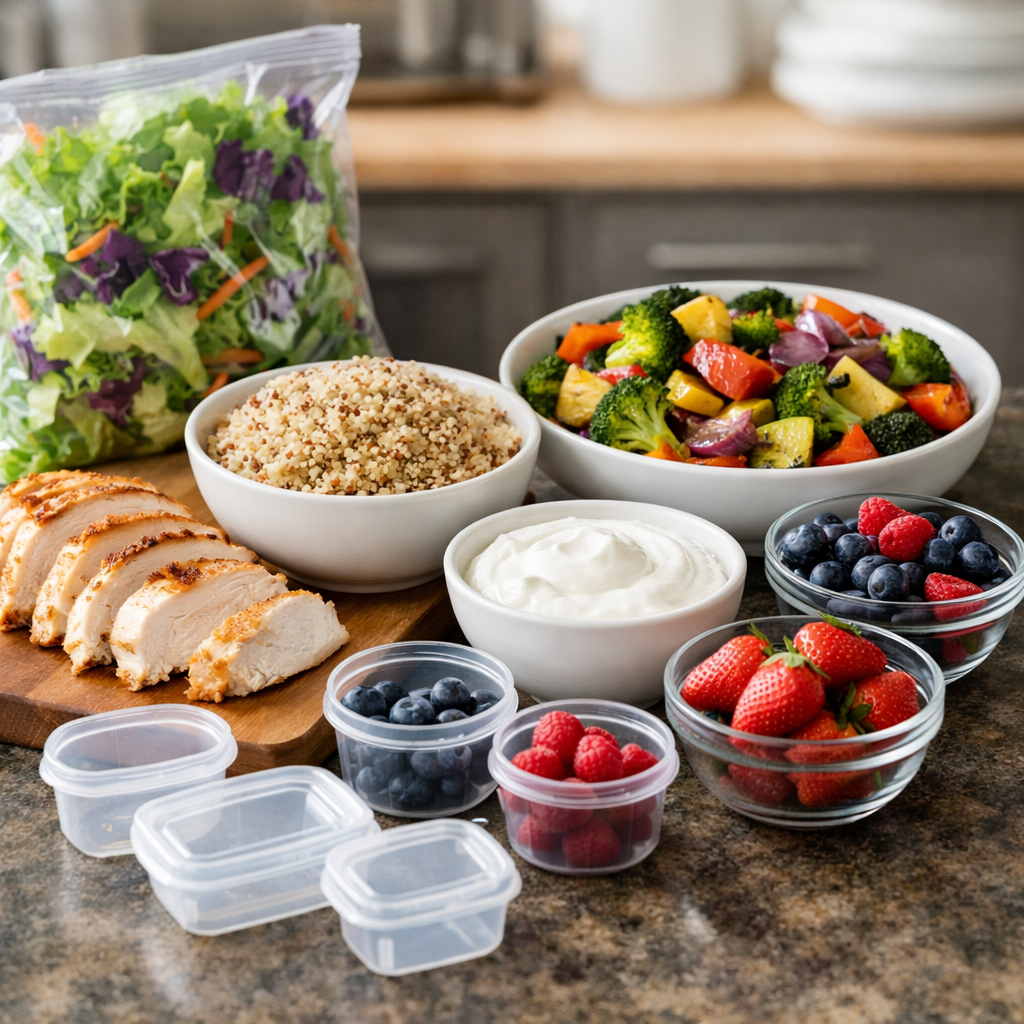 Building blocks make it easier to assemble high-protein, lower-calorie meals quickly.
Most busy adults do better with a moderate deficit than an aggressive one. If you track, start with a target that feels doable on weekdays and only slightly flexible on weekends. If you do not track, use portion-based planning and focus on reducing the highest-calorie drivers: liquid calories, frequent snacks, and large portions of calorie-dense foods.
Great for
A practical range for many adults dieting is roughly 25 to 40 grams of protein per meal across three meals, plus a protein snack if needed. If you lift weights or are dieting aggressively, you may benefit from the higher end. Choose protein sources you genuinely like so the plan is sustainable.
Great for
Pick one main protein per meal. Good options include chicken breast or thighs (portion controlled), turkey, lean beef, eggs and egg whites, fish, shrimp, tofu, tempeh, seitan, Greek yogurt, cottage cheese, or beans and lentils combined with a higher-protein grain.
Great for
Add at least one large produce serving: salad greens, cruciferous vegetables, peppers, tomatoes, mushrooms, zucchini, berries, apples, oranges, or frozen vegetable blends. Use soups, stir-fries, and sheet-pan meals to increase volume without many calories.
Great for
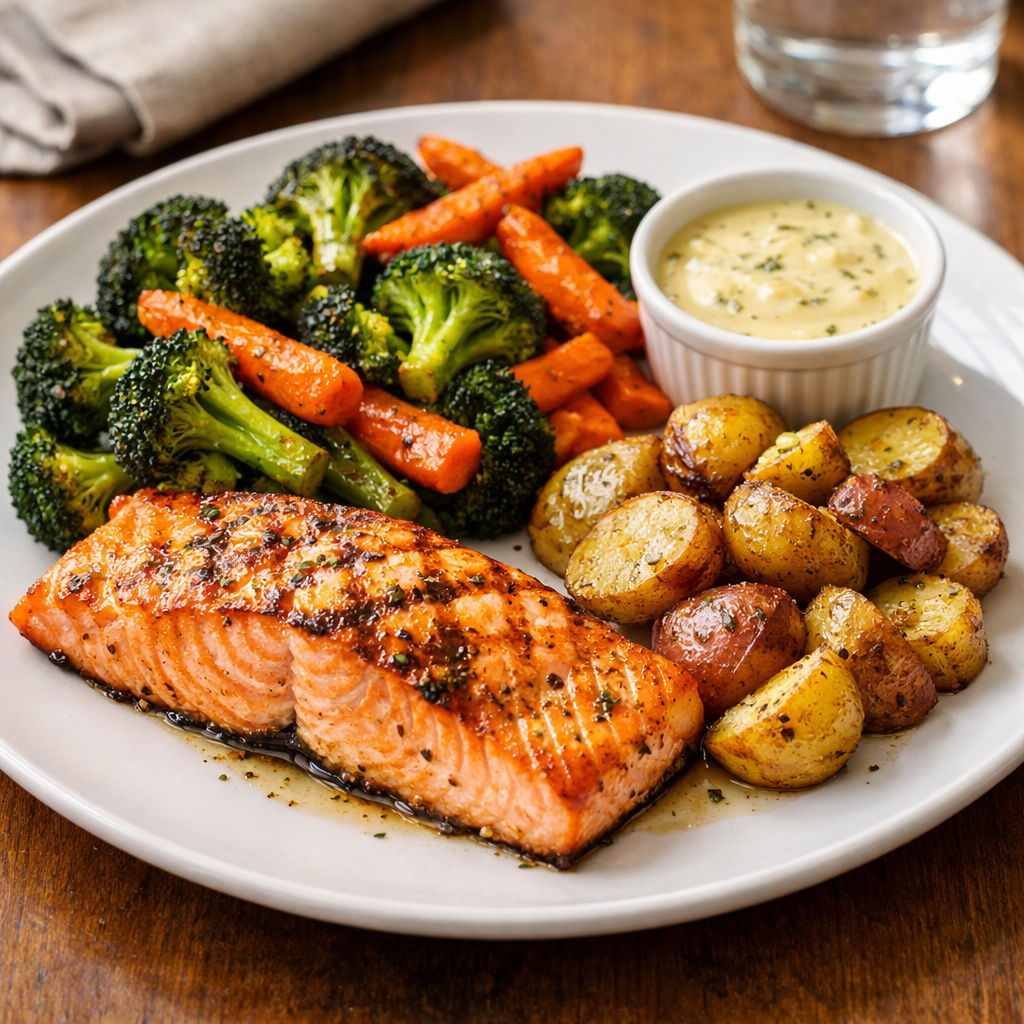 A simple meal template: protein, high-volume vegetables, and a measured carb portion.
Examples: Greek yogurt with berries and a measured portion of granola; cottage cheese with fruit; protein smoothie with milk and frozen fruit; microwave egg scramble with pre-chopped vegetables; overnight oats made with higher-protein milk or yogurt.
Great for
Examples: chicken salad bowl with bagged greens and a measured dressing; tuna packet with microwave rice and steamed frozen veggies; turkey wrap with extra vegetables and fruit; tofu stir-fry leftovers; bean-and-chicken chili in a thermos.
Great for
Chicken, turkey, lean beef, fish, shrimp, eggs, egg whites, Greek yogurt, cottage cheese, tofu, tempeh, canned tuna or salmon, beans and lentils. Choose options that match your cooking time and budget, and include at least one ultra-convenient protein for backup.
Great for
Mix fresh and frozen. Frozen vegetables, bagged salads, pre-cut stir-fry mixes, berries, apples, citrus, and pre-washed greens reduce prep time. Pick produce you will actually eat even when tired.
Great for
Potatoes, oats, brown rice, quinoa, whole-grain bread, beans, lentils, fruit. If you struggle with hunger, prioritize potatoes, oats, beans, and fruit. If you struggle with time, use microwaveable grains and canned beans.
Cook and portion complete meals for several days. Benefits: easiest adherence and tracking. Tradeoffs: repetition and upfront time. Keep flavors varied with sauces and spice blends. Use meals that reheat well such as chili, stir-fries, curries, and sheet-pan proteins.
Great for
Cook 1–2 proteins and prep vegetables, then assemble different meals quickly. Example: shredded chicken can become salads, wraps, rice bowls, or tacos. This prevents boredom while keeping calories predictable.
Great for
Many people are consistent Monday through Friday and erase the deficit on weekends with restaurant meals, snacks, and alcohol. Use simple weekend rules: keep protein high early in the day, plan one indulgence, and keep a baseline step target.
Great for
Oils, dressings, nut butter, cheese, and beverages can add hundreds of calories quickly. Measure or pre-portion these foods and prioritize lower-calorie flavor options more often.
Great for
If your meals are mostly carbs and fats, hunger rises and adherence drops. Add a clear protein anchor at each meal and keep a protein snack available for high-stress days.
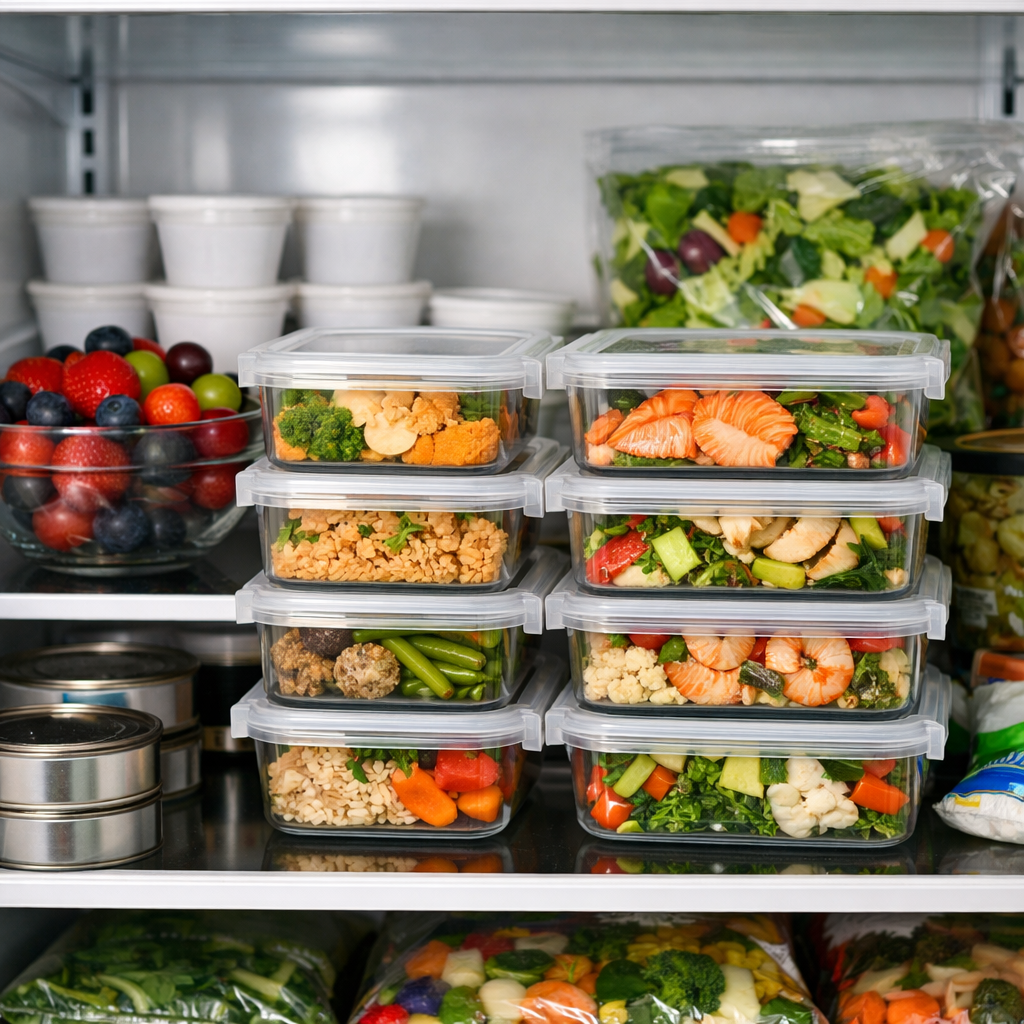 A supportive food environment makes the healthier choice the default choice.
The highest-impact plans reduce decisions: a short meal rotation, repeatable grocery list, and a few emergency meals prevent the “nothing to eat” moment that leads to takeout.
Protein and produce are the core drivers of satiety per calorie; when both are present at most meals, adherence improves without relying on constant restraint.
Convenience is not the enemy; unplanned convenience is. Stocking fast, protein-forward options makes consistency possible during the busiest weeks.
Progress comes from a feedback loop, not perfection. Weekly trend checks and small, single-variable adjustments outperform frequent plan overhauls.
Frequently Asked Questions
No. Meal prep helps some people, but fat loss mainly requires a consistent calorie deficit. Many busy adults succeed with ingredient prep, a repeatable meal rotation, and a few convenience-based emergency meals.
The best schedule is the one that keeps you consistent and controls hunger. Some people do well with three meals, others prefer two larger meals and a snack. Keep protein distributed across meals and avoid long gaps if they trigger overeating.
First, confirm protein and fiber are high and liquid calories are low. Add more vegetables, soups, fruit, and lean protein before cutting calories further. Also check sleep, stress, and step count, since fatigue often increases appetite.
Use guardrails: start with a protein-focused entrée, add a vegetable side, choose one calorie-dense extra, and limit mindless add-ons like bread baskets and sugary drinks. If needed, plan earlier meals to be higher-protein and lighter, not skipped.
Look at a weekly trend, not a single weigh-in. If your average weight and waist measurement are unchanged for about two to three weeks and adherence has been solid, adjust one lever: slightly fewer calories, slightly more steps, or improved weekend consistency.
A fat-loss meal plan works when it is simple, repeatable, and matched to your schedule. Anchor your day with a calorie target and protein goal, stock flexible building blocks, and use convenience foods strategically to stay consistent. Review progress weekly and make small adjustments so your plan keeps working even when life gets busy.
Track meals via photos, get adaptive workouts, and act on smart nudges personalised for your goals.
AI meal logging with photo and voice
Adaptive workouts that respond to your progress
Insights, nudges, and weekly reviews on autopilot
A small rotation reduces decision fatigue and shopping complexity while improving adherence. Repetition is a feature during fat loss because it stabilizes calories and makes progress predictable.
Great for
Portion control is the practical bridge between targets and real meals. A visual framework helps when you cannot weigh foods or when eating with others.
Great for
Building blocks keep options flexible while preventing impulse buys. Recipes can be too rigid for busy weeks and often create leftover ingredients you will not use.
Great for
Cooking time is a major adherence barrier. Pre-cooking proteins and one high-fiber carb drastically lowers weekday friction.
Great for
Environment design reduces reliance on willpower. Pre-portioning and pre-logging reduce overeating, especially with snacks and calorie-dense foods.
Great for
Busy adults need options that work when cooking fails. Strategic convenience foods maintain the calorie deficit and prevent “blown” days.
Great for
Social eating can erase a weekly deficit if unplanned. Simple guardrails preserve progress without requiring perfection.
Great for
Fat loss is iterative. A simple feedback loop prevents endless tinkering and helps you identify what actually moves progress.
Great for
After protein, carbs and fats are flexible. If you train hard, higher carbs can support performance and recovery. If you prefer fattier foods and it helps adherence, keep fats moderate but watch portions because fats are calorie-dense. Keep fiber high by prioritizing fruits, vegetables, beans, and whole grains.
Great for
Aim to include a high-fiber element at most meals: vegetables, fruit, beans, lentils, oats, or whole grains. Higher fiber generally improves fullness and helps reduce overall calorie intake, especially when paired with protein and adequate fluids.
Great for
Options include precise logging with a food scale, simplified logging with serving estimates, repeating standard meals, or non-tracking portion rules. The best method is the one that produces consistency. Many busy adults succeed by tracking only one meal per day, tracking weekdays only, or repeating a few meals with known portions.
Great for
Choose carbs that improve fullness and performance: potatoes, oats, rice, quinoa, whole-grain bread, beans, lentils, fruit. Use smaller portions on lower-activity days and larger portions on training days if your calorie target allows.
Great for
Include fats for satisfaction, but measure them because calories add up quickly. Examples: olive oil, avocado, nuts, nut butter, cheese, pesto, mayo. Use smaller amounts with big flavor impact, and avoid “free-pouring” oils or eating from the bag.
Great for
Use spice blends, vinegar, citrus, salsa, mustard, pickles, hot sauce, soy sauce, broth-based soups, and lower-sugar marinades. Choose creamy dressings and sauces intentionally and portion them; consider mixing them with yogurt for volume.
Great for
Examples: sheet-pan chicken and vegetables; shrimp stir-fry with frozen vegetables; slow-cooker salsa chicken for bowls and tacos; turkey meat sauce over lentil pasta; air-fryer tofu with microwaveable grains and salad.
Great for
Examples: jerky with fruit; Greek yogurt; cottage cheese; edamame; hard-boiled eggs; protein bar used occasionally; tuna with crackers; latte made with high-protein milk. Pair snacks with fruit or vegetables to improve fullness.
Great for
Examples: rotisserie chicken plus bagged salad; deli turkey with pre-cut veggies and hummus; microwaveable lentils with salsa and shredded cheese portion; canned soup plus added chicken; supermarket sushi plus extra edamame.
Great for
Great for
Olive oil spray, olive oil, avocado, nuts, nut butter, cheese, olives, pesto, dressings, salsa, hot sauce, mustard, spices, vinegar, soy sauce. Keep a few favorites to prevent boredom, but pre-portion calorie-dense items.
Great for
Rotisserie chicken, pre-cooked grilled chicken strips, frozen steam-in-bag veggies, microwaveable rice or lentils, salad kits, canned soups, low-calorie frozen meals you like, and protein shakes if needed. Convenience is a tool to keep you on plan.
Great for
Prep a few components plus rely on convenience foods. Example: two home-cooked dinners and one batch of protein, then use salad kits, frozen vegetables, and yogurt for the rest. This approach is resilient when your week goes off-script.
Great for
Plan meals you can buy or assemble with minimal cooking. Example: rotisserie chicken, microwaveable grains, salad kits, and fruit. You can still lose fat if portions and calories are controlled and protein is adequate.
Great for
Great for
Complex meal plans fail when time gets tight. Use a rotation of simple meals with a few sauces and seasonings, and keep at least two emergency meals available at all times.
Great for
Skipping can work for some, but for many it increases overeating later. If you tend to rebound, use a higher-protein breakfast or lunch and a planned afternoon snack to stabilize hunger.
Great for
