December 5, 2025
Metabolism adapts; it doesn’t ‘break’. Use a structured system that targets energy balance, hunger, and consistency to drive sustainable fat loss.
Your metabolism adjusts to intake and activity; it rarely ‘breaks’. Plateaus are normal and solvable.
Fat loss hinges on energy balance, but success is driven by adherence, hunger control, and muscle preservation.
Small, consistent changes beat extreme diets; expect gradual losses and occasional stalls.
Build a repeatable routine: right-sized deficit, protein, volume foods, steps, strength, sleep, stress skills.
We ranked fat-loss components by their direct impact on energy balance, their leverage on adherence (hunger control, simplicity), their health preservation (muscle, sleep), and sustainability (time cost, ease of repeat). Ranking weighs typical calorie swing, reversibility if stalled, and how quickly “real life” behavior changes move the needle.
Understanding which levers matter most prevents chasing ‘metabolic fixes’ that don’t exist. Focus on high-impact, high-adherence actions to create a reliable system that produces steady, repeatable fat loss without harming health.
Energy balance is the primary driver of fat loss; sizing and tracking the deficit determines progress.
Great for
Protein safeguards lean mass and increases fullness, improving adherence with modest calorie cost.
Great for
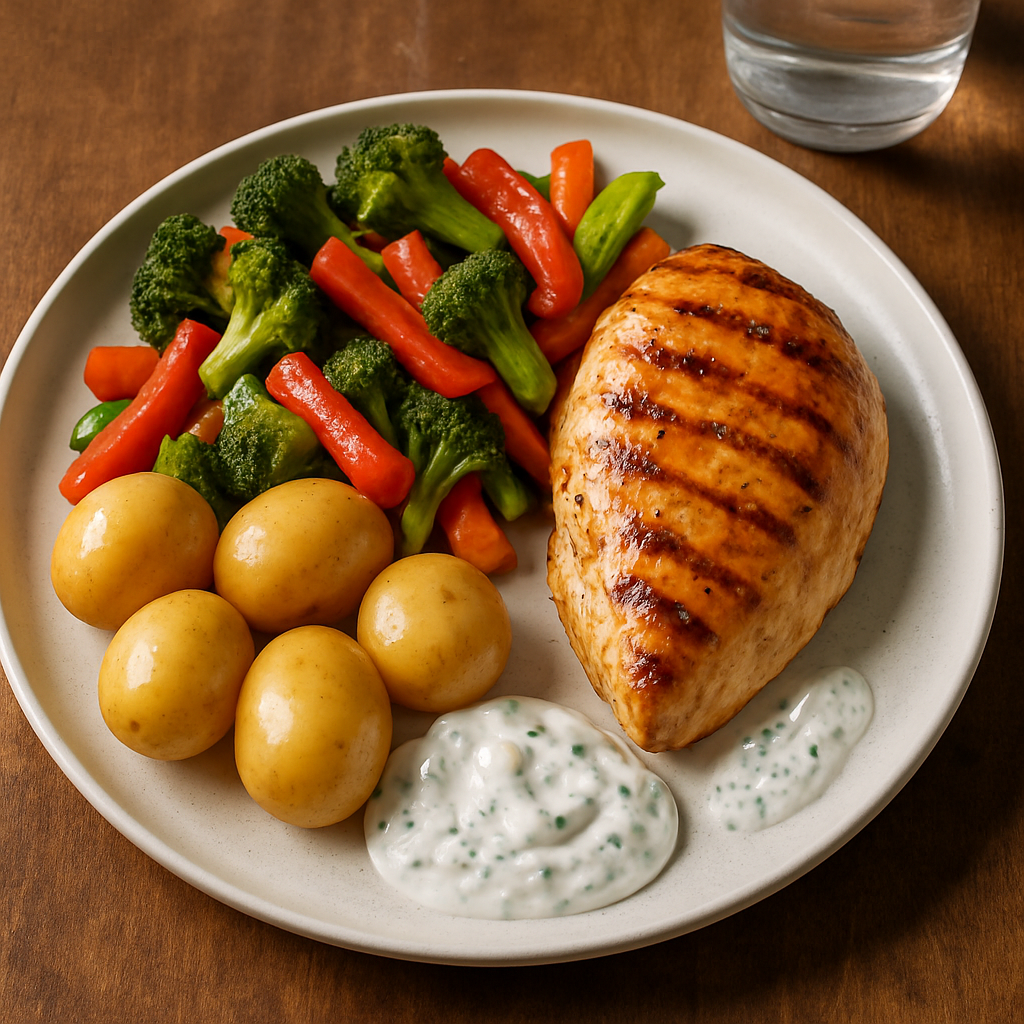 Protein-forward, high-volume plate lowers energy density and keeps you full.
 Daily steps raise energy expenditure without increasing hunger.
The biggest wins come from controlling intake and managing hunger, not chasing metabolic ‘boosts’.
Muscle preservation via protein and strength training improves long-term maintenance; losing fat while maintaining lean mass keeps metabolism resilient.
NEAT is a quiet powerhouse: small daily movements add up without provoking compensatory eating like intense workouts often do.
Sleep and stress skills determine adherence; they don’t burn calories, but they prevent the overeating that erases deficits.
Frequently Asked Questions
Almost never. Metabolism adapts to intake and activity (adaptive thermogenesis), typically a modest reduction. Plateaus reflect smaller deficits, water shifts, or adherence drift. Systematic adjustments restart progress.
Aim for ~0.5–1.0% of body weight per week. Slower rates (0.3–0.7%) may be better for smaller individuals, older adults, or those with medical considerations. Faster loss increases hunger and muscle risk.
Common causes: intake creep, lower NEAT, water retention, and mild adaptation. Fixes: tighten tracking, increase steps, swap to higher-volume foods, reduce calories 5–10%, or take a 7–14 day diet break.
Both help. Cardio raises expenditure acutely; strength training preserves muscle and long-term metabolic health. For most, prioritize lifting and NEAT, then add cardio to taste.
They can lower energy needs or raise appetite, making loss slower—not impossible. Confirm medical status, then adjust targets and emphasize protein, volume, sleep, and steps.
Your metabolism adapts; it doesn’t break. Build a system that respects energy balance and supports adherence: right-sized deficit, protein, volume foods, steps, strength training, sleep, and stress skills. Expect plateaus and solve them methodically. Small, repeatable wins produce durable fat loss.
Track meals via photos, get adaptive workouts, and act on smart nudges personalised for your goals.
AI meal logging with photo and voice
Adaptive workouts that respond to your progress
Insights, nudges, and weekly reviews on autopilot
Volume and fiber reduce calorie density and delay gastric emptying, cutting hunger at minimal ‘willpower’ cost.
Great for
Non-exercise activity varies widely and can meaningfuly raise expenditure without spiking appetite.
Great for
Resistance training maintains muscle during deficits, protecting resting energy expenditure and shape.
Great for
Short sleep increases hunger and cravings, undermining adherence far more than it hurts metabolism directly.
Great for
Stress drives overeating; practical skills prevent large calorie overages without rigid rules.
Great for
The best method reduces friction while keeping intake roughly aligned with your target.
Great for
Adaptive thermogenesis is modest; systematic tweaks restart progress without drastic cuts.
Great for
Cardio adds expendure but may increase appetite; best leveraged alongside NEAT and lifting.
Great for
Your environment predicts choices; smart defaults reduce friction and decision fatigue.
Great for
Medical factors shift appetite, water balance, or energy needs; plans still work with adjusted expectations.
Great for
