December 4, 2025
A ranked guide to the best plant proteins you can buy in Mexico, using protein density, amino acid quality, affordability, and availability to help you build better meals.
Textured soy, tofu, and tempeh lead because they combine high protein density with near-complete amino acids.
Legumes like lentils and beans are budget powerhouses; pair with tortillas or rice to balance amino acids.
Seitan is ultra protein-dense but low in lysine; it’s best combined with legumes or seeds.
Seeds and peanuts add minerals and healthy fats; use them as complements rather than primary protein.
Ranking score weighted: 50% protein per 100 kcal (density), 25% protein quality (PDCAAS/DIAAS proxy and limiting amino acid), 15% affordability (MXN per ~20 g protein, typical 2024 retail in Mexico), 10% availability/versatility in Mexican cooking. Nutrition values are typical: cooked legumes (unsalted), standard firm tofu/tempeh, dry textured soy protein (TSP), dry seeds/nuts. Leucine per serving is noted qualitatively to reflect support for muscle protein synthesis.
Protein density and quality determine how efficiently you meet daily needs; price and availability determine if you can sustain it week after week. This list helps you choose the smartest staples for Mexican kitchens and meals you actually enjoy.
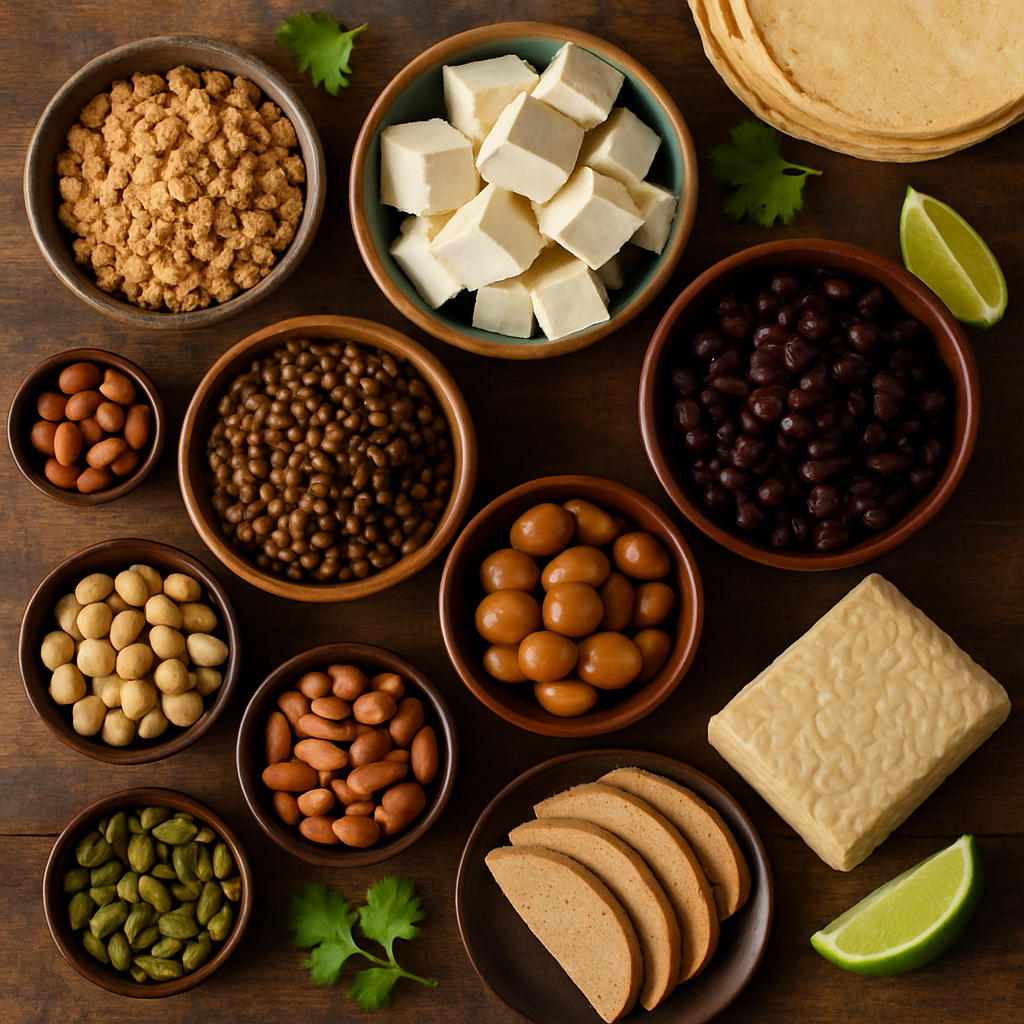 Top Mexican-accessible vegan proteins at a glance.
Exceptional protein density plus near-complete amino acid profile (PDCAAS ≈1.0). A 40–50 g dry portion yields ~20–25 g protein with ~1.6–2.0 g leucine, supporting muscle protein synthesis. Extremely affordable (~MXN $2–3 per 20 g protein) and widely available in mercados and supermarkets; versatile for tacos, tinga, and picadillo.
Great for
High-quality soy protein (PDCAAS ≈0.9–1.0) with good density. A 170–200 g serving delivers ~20–24 g protein and ~1.6–2.0 g leucine. More costly than dry legumes but still reasonable (~MXN $12–18 per 20 g protein in many cities). Available in major supermarkets; takes on Mexican seasonings for scrambles, adobo, or al pastor-style.
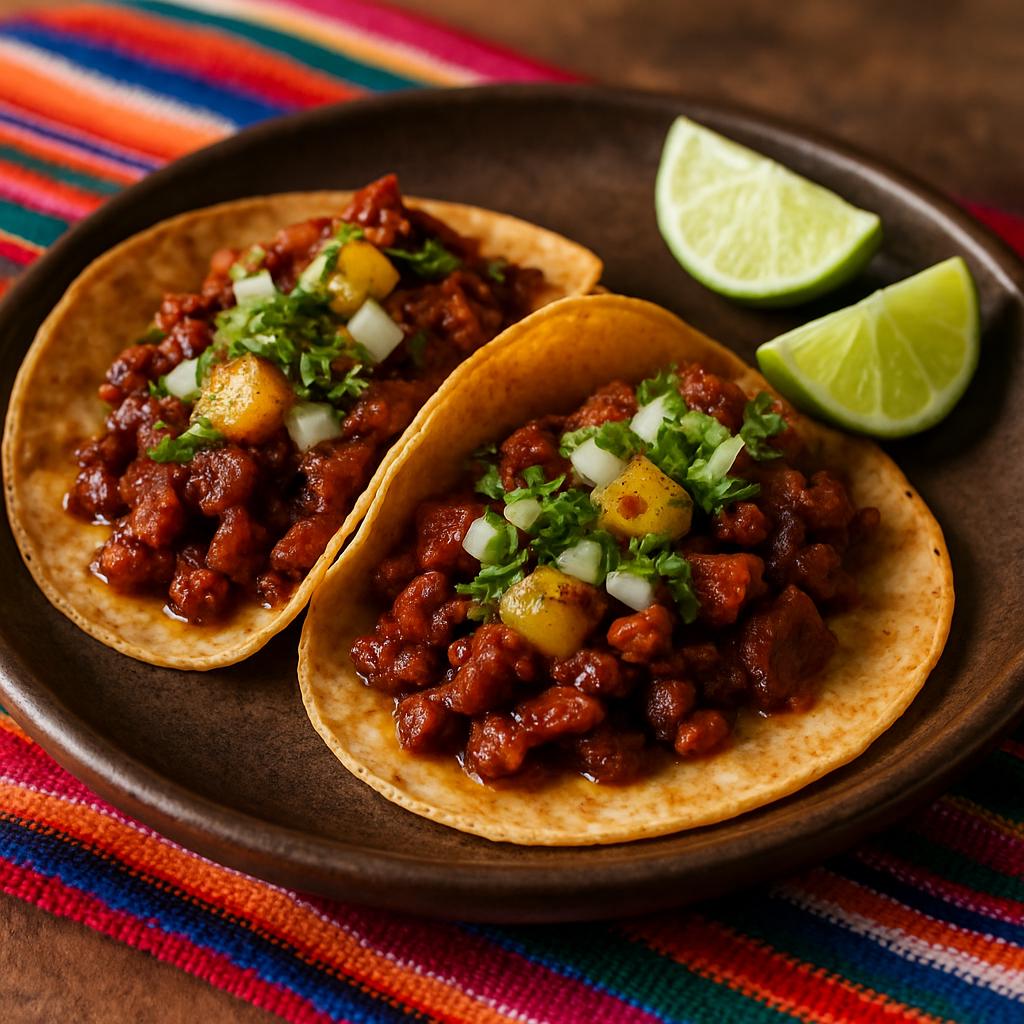 Soya texturizada adapts perfectly to classic Mexican taco formats.
Soy-based foods dominate because they combine high protein per calorie with near-complete amino acid profiles—meaning fewer grams needed to hit leucine thresholds for muscle protein synthesis.
Legumes win on price and fiber. Their sulfur amino acids are limiting, but pairing with corn tortillas, rice, or seeds balances the profile without complicating cooking routines.
Seitan’s top-tier density doesn’t guarantee top rank; low lysine and lower affordability/availability in Mexico pull it below soy options unless you regularly pair it with legumes.
Seeds and peanuts provide minerals and healthy fats; use them to enrich meals rather than as primary protein sources if you’re watching calories.
Frequently Asked Questions
A practical target is 1.2–1.6 g/kg body weight/day if you’re active, or ~1.0–1.2 g/kg for generally healthy adults. Distribute protein across 3–4 meals, aiming for 20–35 g per meal to approach 2–3 g of leucine for muscle protein synthesis.
Combine legumes (beans, lentils, chickpeas) with grains like corn tortillas, rice, or oats. You don’t need to combine in the same bite; day-long variety works. Soy foods are already near-complete; seitan pairs best with legumes or seeds.
Textured soy protein, tofu, tempeh, and lentils offer high protein per calorie and strong satiety. Use seeds and peanuts in small portions for flavor and minerals, since they’re more energy-dense.
Soak and rinse dried legumes, cook thoroughly (pressure cookers help), and start with smaller portions. Adding aromatics like bay leaf, epazote, cumin, or asafoetida can help tolerance.
It can be, if you combine it with lysine-rich foods (legumes, peanuts) across the day. Alone, it’s low in lysine and scores lower for protein quality; pairing restores balance.
If you want maximum protein impact in Mexico, build your base with textured soy, tofu, and legumes, then complement with seeds or peanuts for flavor and minerals. Combine legumes with corn or rice, and pair seitan with beans when you use it. Pick two or three staples from the top of this list and rotate them through your weekly tacos, guisos, and bowls.
Track meals via photos, get adaptive workouts, and act on smart nudges personalised for your goals.
AI meal logging with photo and voice
Adaptive workouts that respond to your progress
Insights, nudges, and weekly reviews on autopilot
Great for
Fermented soy with near-complete amino acids (PDCAAS ≈0.9–1.0). A 150–200 g portion provides ~25–30 g protein and ~2.0–2.4 g leucine plus improved digestibility from fermentation. Higher price (~MXN $35–45 per 20 g protein) and limited availability lower its rank, but it shines nutritionally and culinarily.
Great for
Ultra-dense protein but low lysine (PDCAAS ≈0.3). On its own it’s incomplete; pair with legumes or seeds for balance. A 120–150 g serving supplies ~25–30 g protein and ~1.6–2.0 g leucine. Moderately priced (~MXN $25–35 per 20 g protein) yet less ubiquitous; excellent texture for fajitas and asada-style dishes.
Great for
Great density for a legume and very budget-friendly (~MXN $3–5 per 20 g protein). Protein quality is moderate (PDCAAS ≈0.6; methionine-cysteine limiting) but easily balanced with tortillas or rice. One hearty bowl (~250 g cooked) delivers ~18–22 g protein and ~1.4–1.6 g leucine.
Great for
Staple legume with solid density and availability nationwide. Protein quality is moderate (PDCAAS ≈0.6–0.7; sulfur amino acids limiting) and complements corn masa nicely. Very affordable (~MXN $4–6 per 20 g protein). One cup provides ~15 g protein and ~1.1 g leucine.
Great for
Widely available dried and canned. Protein quality is moderate-to-good for a legume (PDCAAS ≈0.7–0.8) with methionine limiting; pair with grains or seeds. Cost is still accessible (~MXN $5–7 per 20 g protein). A cup offers ~12–14 g protein and ~0.9–1.1 g leucine.
Great for
Strong protein density among legumes and good availability in dried form. Protein quality is moderate (PDCAAS ≈0.6–0.7; sulfur amino acids limiting). Affordable (~MXN $4–6 per 20 g protein). Delicious in guisos and stews; one cup provides ~13–15 g protein and ~1.0–1.1 g leucine.
Great for
Nutrient-dense with iron, zinc, and magnesium; protein quality lower (PDCAAS ≈0.5–0.6; lysine limiting). Higher calorie density from healthy fats—use as a complement rather than the main protein. Moderate cost (~MXN $8–12 per 20 g protein). A 30 g handful gives ~9 g protein and ~0.7 g leucine.
Great for
Affordable and ubiquitous (~MXN $5–7 per 20 g protein) with useful protein but lower quality (PDCAAS ≈0.5–0.6; lysine limiting). Great for energy and healthy fats; best used to complement legumes or soy. A 30 g portion supplies ~7–8 g protein and ~0.55–0.6 g leucine.
Great for
