December 4, 2025
A ranked, practical list of the most accessible, vitamin C–rich foods in Canada with serving estimates, cooking notes, and tips to help you hit your daily needs easily.
Bell peppers, kiwis, and berries deliver the most vitamin C per serving with strong year-round availability in Canada.
Raw or lightly cooked produce preserves vitamin C; steaming beats boiling.
Frozen fruit (like blackcurrants or strawberries) retains vitamin C well and is budget-friendly.
You can meet the daily requirement with one high-C item or a couple of moderate ones.
Pair vitamin C foods with plant iron sources to boost iron absorption.
Ranking reflects approximate vitamin C per typical serving, adjusted for cooking losses where relevant, plus availability in Canadian supermarkets, affordability, versatility in meals, and sugar density (vitamin C per gram of sugar). Values are based on standard nutrient databases, rounded for simplicity. We excluded supplements and niche items not commonly found nationwide; frozen options are included when widely available.
Vitamin C supports immune function, collagen formation, wound healing, and iron absorption. Most Canadians can meet needs through common produce without supplements; knowing the best sources makes it simpler and cheaper.
Highest vitamin C per serving among widely available Canadian produce, low sugar, inexpensive, and commonly eaten raw (maximizes retention).
Great for
Excellent vitamin C per serving with strong year-round availability and moderate cost in national chains.
Great for
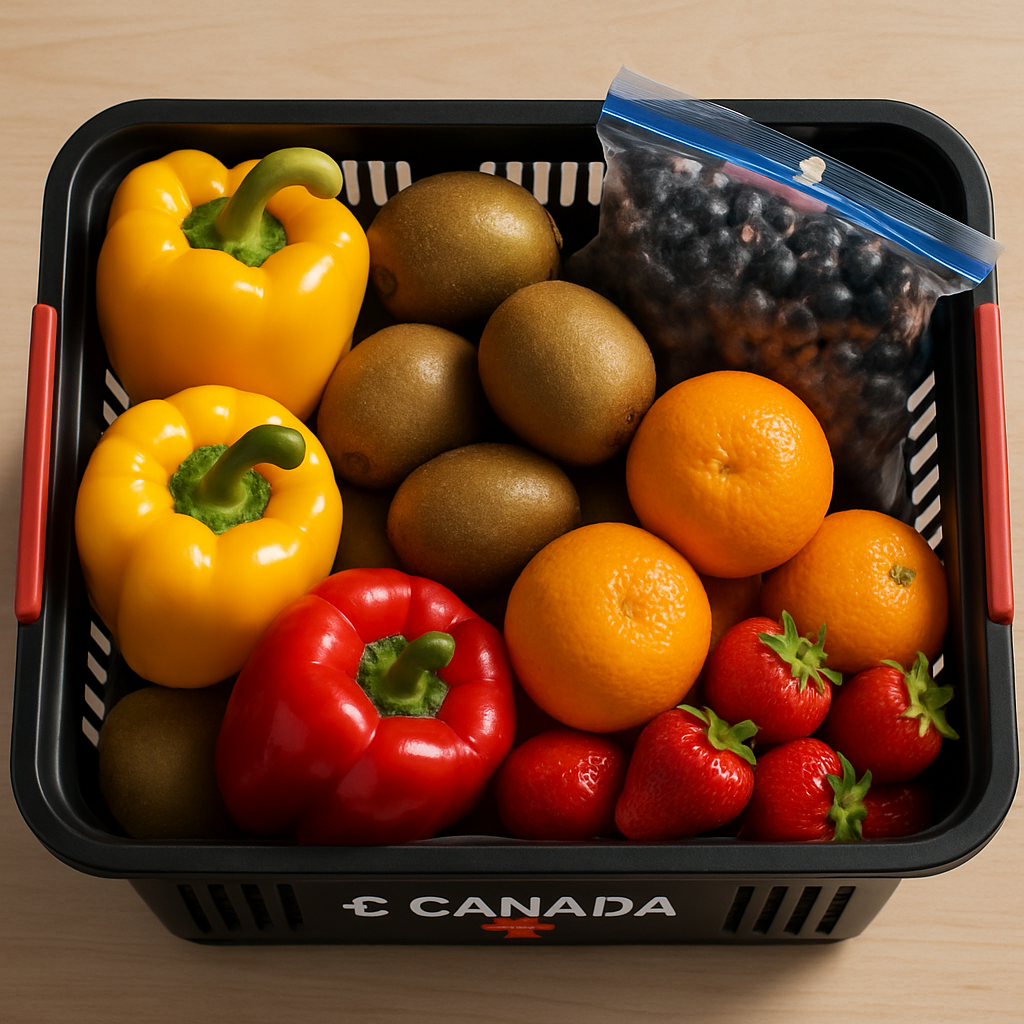 High-vitamin C foods widely available across Canada
Colorful peppers lead on vitamin C and are easy to eat raw, minimizing cooking losses.
Frozen fruit is a smart, budget-friendly way to preserve vitamin C, especially outside Canadian berry season.
Light steaming generally preserves more vitamin C than boiling; keep cook times short.
You can meet daily needs with a single high-C item or pair a moderate fruit with a veggie in the same meal.
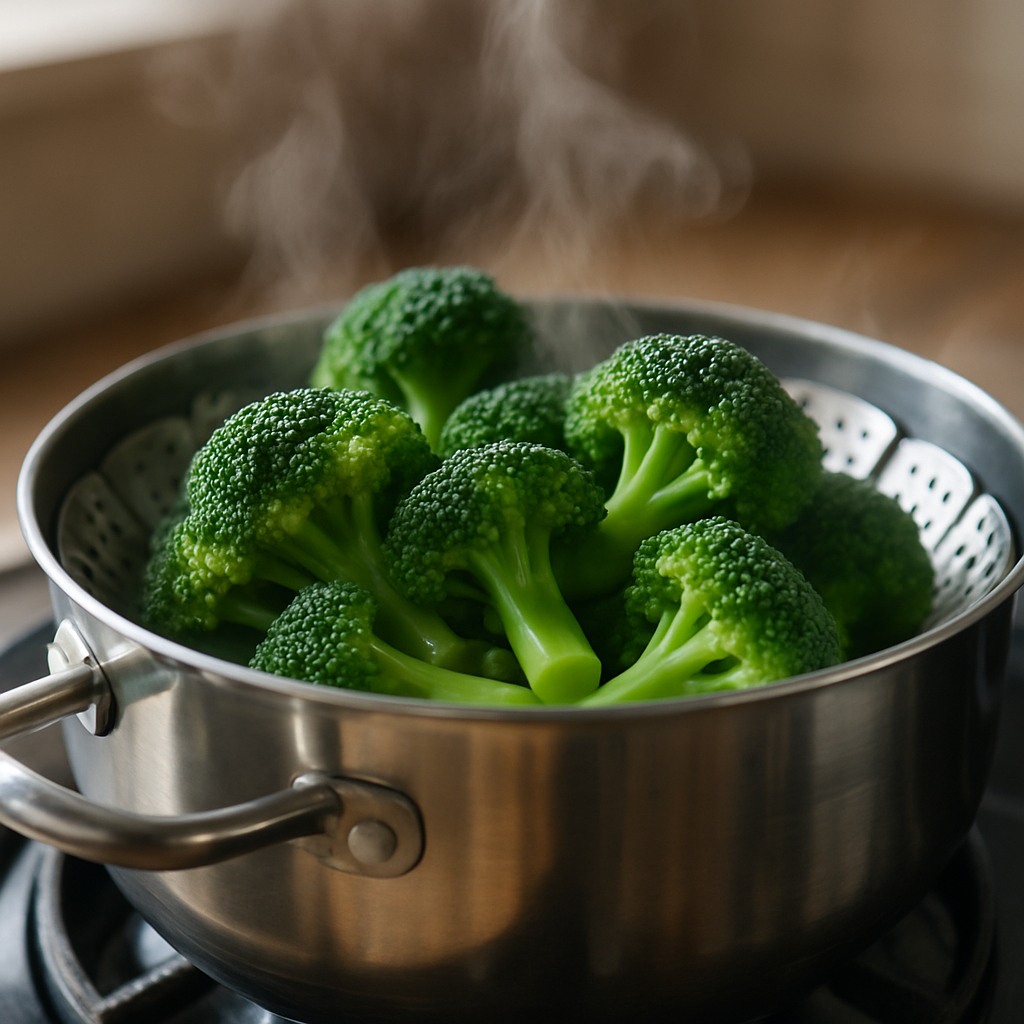 Light steaming helps preserve vitamin C in vegetables
Frequently Asked Questions
Adults typically need 75 mg (women) to 90 mg (men) per day; smokers need about 35 mg extra. Pregnancy and lactation raise needs modestly. The tolerable upper intake level for adults is 2,000 mg per day.
Yes. Vitamin C is heat- and water-sensitive. Steaming or microwaving with minimal water reduces losses compared to boiling. Eating raw produce preserves the most vitamin C.
Yes, but it lacks fiber and can add easily absorbed sugars. A medium orange offers ~70 mg with fiber; 250 ml of 100% orange juice provides a similar vitamin C amount but no fiber.
Frozen berries (including blackcurrants) are widely available and nutrient-dense. Some regions grow sea buckthorn, which is very high in vitamin C, but products can be niche and seasonal.
Most Canadians can. One medium yellow pepper or two kiwis cover daily needs. Combining foods—like strawberries with yogurt or broccoli with dinner—also makes it easy.
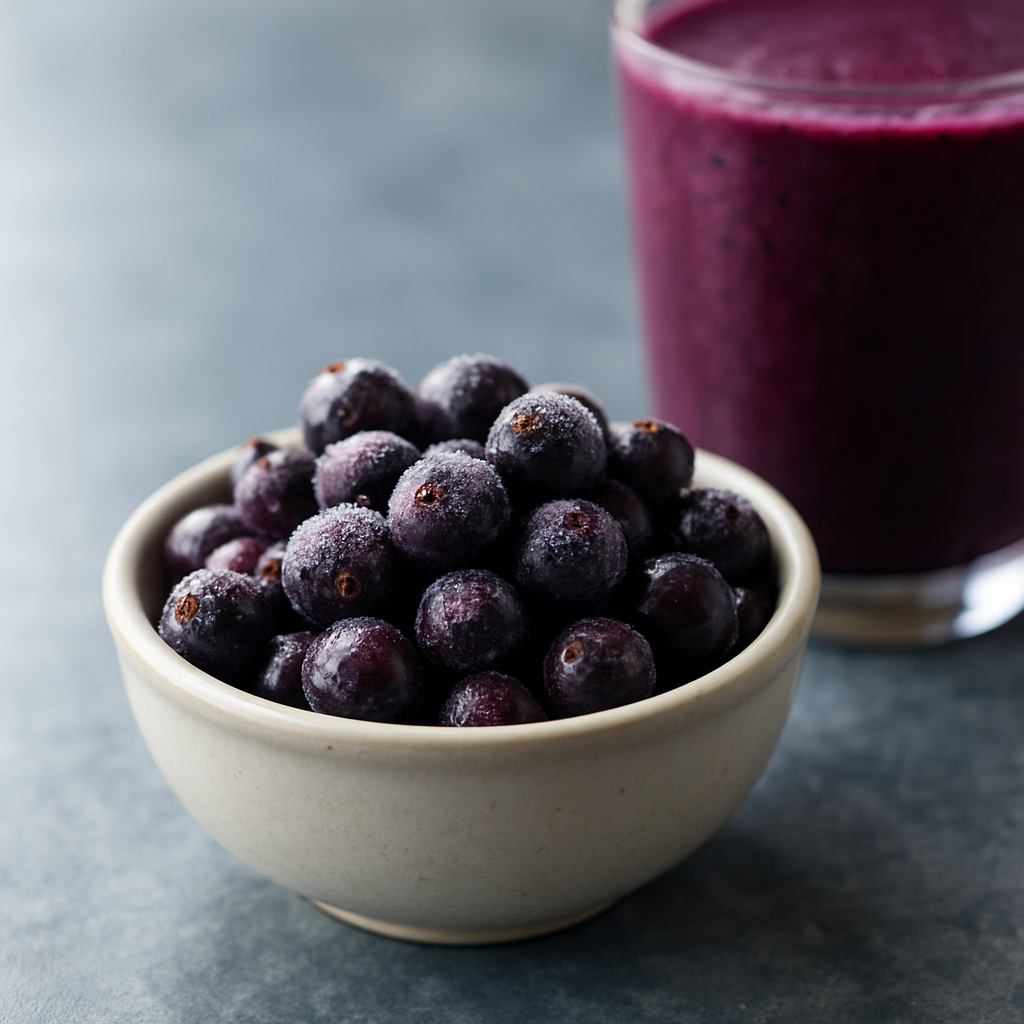 Frozen blackcurrants offer a powerful vitamin C boost
Focus on peppers, kiwis, and berries to hit vitamin C targets with minimal effort and cost. Keep veggies mostly raw or lightly steamed, and lean on frozen fruit outside seasonal peaks. Pick one high-C item daily—or pair two moderate sources—to cover your needs consistently.
Track meals via photos, get adaptive workouts, and act on smart nudges personalised for your goals.
AI meal logging with photo and voice
Adaptive workouts that respond to your progress
Insights, nudges, and weekly reviews on autopilot
High vitamin C, widely available, low sugar, and versatile. Slightly less vitamin C than yellow but still top tier.
Great for
Very high vitamin C; commonly available in frozen form. Price and fresh access vary, so frozen is the practical Canadian choice.
Great for
Outstanding vitamin C density but availability can be spotty outside major urban centers; cost varies.
Great for
Good vitamin C per cup, widely available fresh in season and frozen year-round; broadly affordable.
Great for
Reliable year-round access, budget-friendly, and versatile. Light steaming retains more vitamin C than boiling.
Great for
Classic, consistent source with excellent nationwide availability and reasonable price.
Great for
Solid vitamin C with strong winter availability in Canada; roasting retains more than boiling.
Great for
Good vitamin C per cup and commonly available in large Canadian supermarkets; cost and ripeness can vary.
Great for
