December 19, 2025
Walking is one of the most reliable ways to increase daily calorie burn with low injury risk. This guide explains the science, the targets that matter, and how to build a walking routine that supports steady fat loss.
Weight loss comes from a consistent calorie deficit; walking helps by increasing total daily energy expenditure and supporting appetite control.
Step count, total weekly time, and intensity are the levers that predict results more than any single “fat-burning zone” rule.
Progress works best when you increase one variable at a time: frequency, duration, intensity, then hills or load.
Strength training and protein make walking-based fat loss more effective by protecting muscle and improving body composition.
Consistency beats perfection: small daily walks and a sustainable pace outperform sporadic long sessions.
This pillar guide is organized as a practical checklist of the key components that drive walking-based weight loss. The order reflects impact on results and how controllable each factor is for beginners: calorie balance first, then walking volume, then intensity, then progression, then supportive habits and safety.
Many people walk more but see no change because they miss the few variables that actually move the scale and waistline. A structured approach helps you set realistic targets, avoid plateaus, and stay consistent long enough to see measurable fat loss.
Fat loss requires sustained energy deficit; walking is a tool that supports the deficit, but cannot override chronic overeating.
Great for
Total weekly walking is the strongest controllable driver of calorie burn and routine adherence; it also predicts improvements in fitness that make future walking easier.
Great for
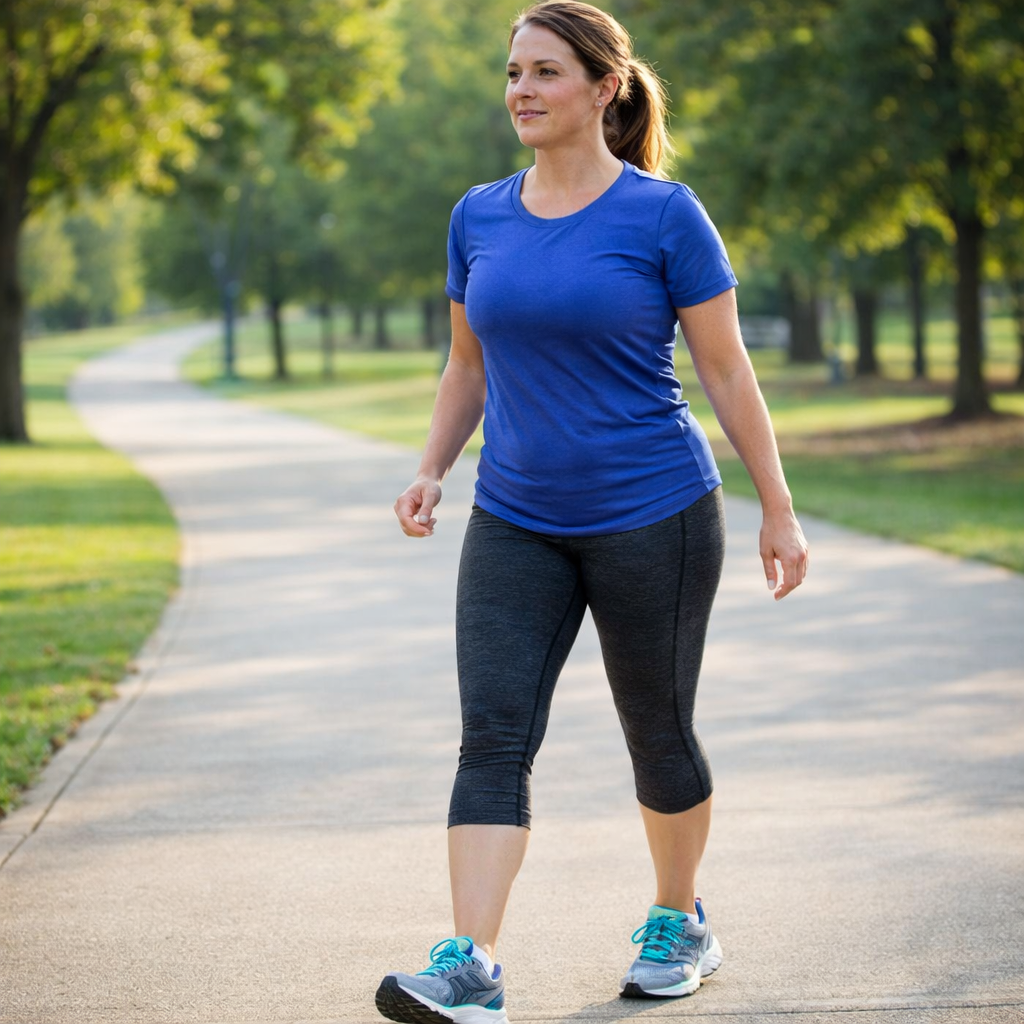 Brisk, consistent walking is the foundation; intensity comes after volume is stable.
Body weight changes are driven by the relationship between calories in and calories out. Walking affects calories out by increasing activity energy expenditure and, for many people, by increasing daily movement beyond the walk itself. The same step count can lead to different results depending on body size, walking speed, terrain, and whether you compensate by eating more or sitting more the rest of the day.
Great for
Most people burn a meaningful, but not extreme, number of calories walking. Bigger bodies typically burn more per minute; faster pace and hills also raise the cost. As a practical expectation: adding a daily walk can contribute a few hundred calories per day for many adults, but it can also be much less if the walk is short or slow. This is why pairing walking with a modest dietary adjustment is often the fastest path to steady results.
Great for
If you prefer step goals, use your current baseline and build gradually. Many beginners start around a few thousand steps per day and do well adding a manageable amount, then holding that level until it feels normal. A common long-term range for general health and weight management is mid-to-high thousands of steps per day, but the best target is the one you can repeat most days without needing willpower.
Great for
Minutes walked can be easier to standardize than step counts, which vary by stride length and device. For beginners, several shorter walks often beat one long session because they’re easier to fit into a routine and reduce soreness. Over time, building toward a few hours of walking per week is a strong baseline for weight loss when combined with a modest calorie deficit.
Great for
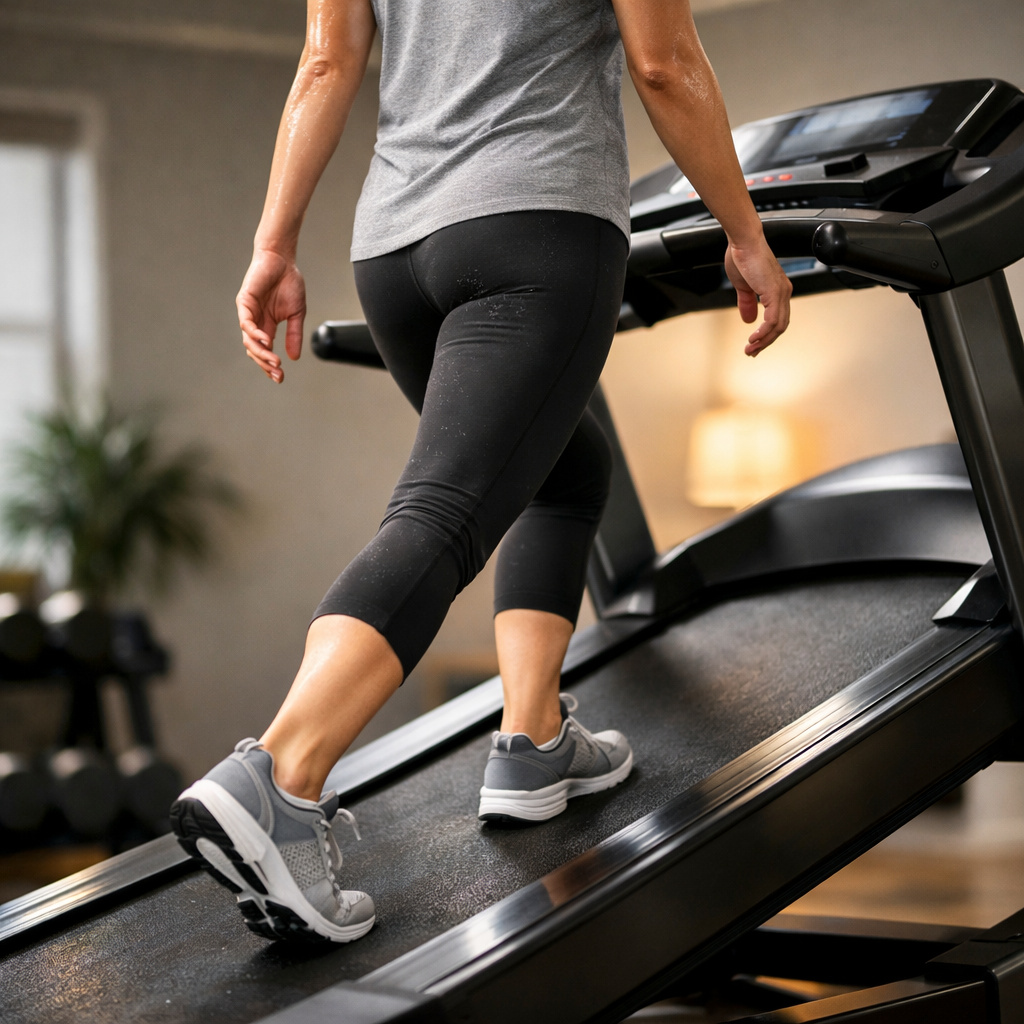 Incline walking can raise intensity without needing to run.
These are your repeatable, low-stress walks that build volume. Keep the pace comfortable to brisk and focus on showing up. This format supports recovery, reduces injury risk, and keeps hunger manageable for many people. If you’re new, start with shorter durations and build consistency before adding intensity.
Great for
A sustained brisk pace increases calorie burn per minute while staying joint-friendly. Aim for posture and arm swing that feels natural, with breathing elevated but controlled. This workout is a reliable “default” for weight loss because it is time-efficient and recoverable for most people.
Great for
Walk most days at an easy to moderate pace for a short, repeatable duration. Your goal is consistency and joint tolerance, not fatigue. If you miss a day, restart the next day without trying to “make up” with an extra-long walk.
Great for
Increase total weekly walking by adding a little time to a few sessions or adding an extra short walk. Keep intensity mostly comfortable. Many beginners see early progress here because weekly energy expenditure rises without a large increase in hunger or soreness.
Great for
Add one workout with either a brisk sustained segment, gentle hills, or simple intervals while keeping the other walks easy or moderate. This improves fitness and can help with plateaus, but the main goal remains total weekly volume.
The most common plateau cause is eating slightly more over time because activity increased appetite or because tracking became less precise. Check portions, snacks, cooking oils, and beverages. Small changes like adding a protein-rich breakfast or reducing calorie-dense snacks often restart progress without needing more exercise.
Great for
Add a small amount of walking time or steps to a few days per week rather than making big jumps. If you already walk most days, consider adding a second short walk on two or three days. This raises energy expenditure while keeping each session easy to recover from.
Great for
Use incline, hills, or intervals to increase effort without running. This can increase calorie burn per minute and improve aerobic capacity. Keep intensity additions limited to one or two sessions per week at first to avoid overuse injuries.
Aim for tall posture, relaxed shoulders, and a gentle arm swing. Keep steps quick and comfortable rather than overstriding, which can increase impact at the heel and stress shins and knees. Let your pace come from slightly faster turnover, not longer steps.
Great for
Choose shoes that feel stable and comfortable for your foot shape, with enough cushioning for your typical surfaces. Replace shoes when tread is worn or cushioning feels dead. If you have persistent foot pain, consider a gait assessment and gradual changes rather than switching to radically different footwear overnight.
Great for
Softer surfaces can reduce impact, but uneven trails can increase ankle demands. For beginners, flat and predictable routes help build volume safely. Add hills and trails gradually once your joints adapt and your balance and strength improve.
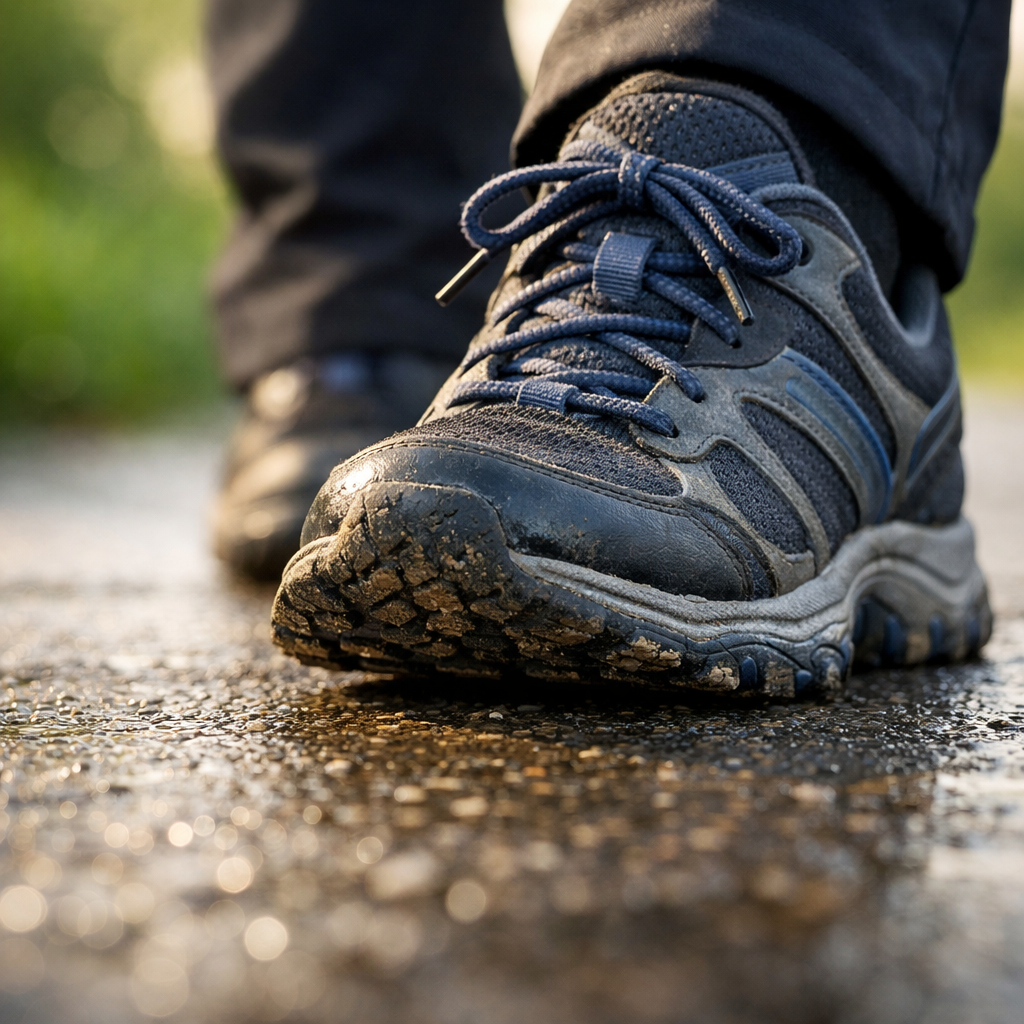 Comfortable, well-fitting shoes support consistency and reduce injury risk.
Many people succeed by using a few consistent anchors rather than rigid dieting: prioritize protein at meals, add high-fiber plants, and limit ultra-processed snack foods that are easy to overeat. If you track calories, aim for a moderate deficit that still supports energy and sleep. If you don’t track, use portions and routine meals to reduce decision fatigue.
Great for
Protein helps preserve lean mass during weight loss and typically improves fullness. Fiber from vegetables, fruits, legumes, and whole grains slows digestion and supports gut health. Together they can reduce post-walk hunger and make a deficit easier to maintain without feeling deprived.
Great for
Dehydration can increase perceived effort and headaches, making walking harder. For longer, hotter walks, consider sodium intake and fluids, especially if you sweat heavily. Don’t interpret thirst as hunger; a glass of water and a few minutes can clarify what you actually need.
Running typically burns more calories per minute, but it is higher impact and can be harder to sustain consistently if you’re new, heavier, or injury-prone. Walking often wins on total weekly volume because it can be done more frequently with less recovery cost. If you enjoy running and tolerate it well, a mix can be effective.
Great for
Cycling and elliptical training are low impact and can be excellent for calorie burn, especially at higher intensity. Walking has the advantage of simplicity and high daily repeatability, increasing total movement across the day. Choose the modality that you can do often and that doesn’t trigger pain.
Great for
Walking is uniquely suited to increasing non-exercise activity: commuting steps, errands, walking meetings, and short movement breaks. These small bouts can substantially raise daily energy expenditure without feeling like workouts, which helps adherence and reduces burnout.
Prioritize comfort and joint safety: shorter, more frequent walks, flatter routes, and supportive shoes. Focus on building total weekly time without pushing speed. Pair with a modest, protein-forward deficit. Progress may show first in waist and fitness before the scale changes dramatically.
Great for
Use brisk walking and small “step snacks” throughout the day: short walks after meals, quick loops during breaks, and parking farther away. A few concentrated brisk sessions plus frequent mini-walks often beats trying to find one long uninterrupted block of time.
Great for
Start with easy intensity, frequent sessions, and gradual progression. Balance and strength work can improve walking comfort and reduce fall risk. Consider walking poles for stability on uneven terrain if needed. Recovery matters more; keep intensity additions conservative.
The best walking plan for weight loss is the one that reliably increases weekly movement without triggering compensatory eating or injury; this is why volume and consistency usually beat aggressive intensity.
Plateaus are more often explained by intake creep, reduced non-walking movement, and normal water fluctuations than by “metabolism damage”; small adjustments to food structure and weekly walking are usually enough.
Walking becomes dramatically more effective when paired with muscle-preserving habits: adequate protein, basic strength training, and sleep protection.
Frequently Asked Questions
Aim for consistent weekly walking that you can repeat. Many beginners do well starting with short daily walks and building toward several hours per week, or gradually increasing daily steps from your current baseline. Combine walking with a modest calorie deficit for faster, more reliable results.
Both work. Walking longer increases total weekly calorie burn with low stress; walking faster increases burn per minute and improves fitness. For beginners, build duration and frequency first, then add brisk segments or hills once consistency is solid.
Not necessarily. Lower intensity uses a higher percentage of fat during the activity, but fat loss depends on your overall calorie deficit over time. Brisk, sustainable walking that you can do often typically produces better weekly energy expenditure and adherence.
Early increases are often water retention from new activity, plus normal day-to-day fluctuations. Increased hunger and extra snacking can also offset the calories you burn. Track weekly average weight and waist size over several weeks before changing your plan.
Walking can reduce overall body fat, including abdominal fat, by supporting a consistent calorie deficit. You cannot target fat loss to one area, but many people notice waist changes as they lose total fat and improve daily activity consistency.
Walking can be a highly effective weight-loss tool because it is low impact, repeatable, and easy to scale. Start by creating a modest calorie deficit, build weekly walking volume you can sustain, then add intensity through brisk pace or incline as needed. Track progress with weekly averages and waist measurements, and support results with protein, sleep, and basic strength training.
Track meals via photos, get adaptive workouts, and act on smart nudges personalised for your goals.
AI meal logging with photo and voice
Adaptive workouts that respond to your progress
Insights, nudges, and weekly reviews on autopilot
Intensity increases calorie burn per minute and improves cardiovascular fitness, but it matters most after you have consistent volume.
Great for
Progression prevents plateaus and reduces injury risk by scaling one variable at a time instead of doing too much too soon.
Great for
Food choices determine whether the calorie deficit is sustainable and whether weight loss comes mostly from fat rather than lean mass.
Great for
Strength training improves body composition, keeps resting energy expenditure higher by preserving lean mass, and reduces injury risk by strengthening joints and connective tissue.
Great for
Poor sleep and high stress can increase hunger, reduce daily movement, and make consistency harder even if the walking plan is good.
Great for
Lower-intensity exercise uses a higher proportion of fat for fuel during the activity, but that does not automatically mean more fat loss. Fat loss is determined by the overall calorie deficit over days and weeks. Brisk walking can be ideal because it is sustainable, can be done frequently, and supports a larger weekly energy expenditure without excessive fatigue.
Great for
Common reasons include increased appetite and snacking, reduced movement later in the day, inaccurate tracking of food intake, high-calorie drinks, and inconsistent weekly volume. Water retention can also mask fat loss, especially when increasing activity for the first time. Use waist measurements, weekly average weight, and how clothes fit rather than day-to-day scale changes.
Great for
Use the talk test to choose intensity. Easy pace: you can sing or speak comfortably. Moderate brisk: you can talk in sentences but breathing is deeper. Hard intervals or hills: you can speak only in short phrases. Most weight-loss walking should feel moderate and sustainable, with occasional higher-intensity segments if your joints tolerate them and recovery is good.
Great for
Heart rate can help structure intensity, but it is not necessary for results. Factors like heat, dehydration, caffeine, sleep, and stress change heart rate. If you use zones, treat them as rough guides, and default to perceived effort when readings seem off. For beginners, consistency and total weekly walking matter more than perfect zone precision.
Great for
Alternate short periods of faster walking with easy walking to recover. Intervals can increase total work in less time and improve fitness, which can raise how brisk your normal walks feel. Keep the hard segments truly walkable to avoid turning it into a run if your goal is low impact.
Great for
Incline increases muscular demand and calorie burn without requiring higher speed. It’s especially useful for people who can’t comfortably walk fast. Start with gentle hills or modest treadmill incline and build gradually to avoid calf and Achilles overuse.
Great for
A longer walk once or twice per week can add significant weekly volume with low systemic stress. It also builds the habit of staying active for longer periods, which helps with weight maintenance. Keep it easy enough that recovery is quick and it doesn’t trigger excessive hunger later.
Great for
Short walks after meals can help reduce post-meal blood glucose spikes and may support appetite regulation. They’re also easier to fit into the day than a single long session. Even a brief, easy walk can reinforce consistency and increase daily steps without feeling like a workout.
Great for
Great for
Choose a weekly structure you can maintain. Many people do well with several short walks, one brisk session, and one longer walk. If fatigue rises or joints ache, reduce intensity before reducing consistency, and keep at least a baseline of easy steps daily.
Great for
Great for
Daily weight fluctuates with salt, carbs, stress, and menstrual cycle. Use a weekly average and measure waist or hip circumference. If waist is shrinking but weight is stable, you may be gaining or retaining lean mass or water while losing fat.
Great for
If soreness, fatigue, or motivation drops, reduce intensity and volume for a week while keeping easy walking. This can restore recovery and make it easier to resume progression. Plateaus sometimes reflect accumulated fatigue rather than a need for more work.
Great for
Great for
A few minutes of easy walking before speeding up helps tissues adapt. After longer or hillier walks, gentle calf and hip mobility work can reduce tightness. Avoid aggressive stretching into pain; consistent, moderate mobility tends to work better than occasional intense sessions.
Great for
If you have chest pain, dizziness, unexplained shortness of breath, or joint pain that worsens with walking, seek medical advice. If you have diabetes, heart disease, or are returning after injury, a clinician can help set safe intensity targets and progression.
Great for
Great for
You do not need special meals to lose weight. If walking makes you hungry, plan a protein-forward snack or meal to prevent random grazing. If you walk early, a small snack can help energy; if you walk after meals, you may not need anything extra.
Great for
Great for
Great for
Reduce speed and hills temporarily, shorten stride, and prioritize flat routes. Add strength work for glutes, quads, calves, and core if tolerated. Pain that changes your gait, worsens over time, or persists should be evaluated by a clinician or physical therapist.
Great for
Walking is often an excellent re-entry activity. Start with short, easy walks and build slowly, paying attention to pelvic floor symptoms, fatigue, and sleep. The goal is consistency and recovery, not rapid progression. Medical clearance may be appropriate depending on your situation.
Great for
