December 20, 2025
This guide gives you a simple, repeatable fat loss system built for real schedules, travel, stress, and social meals. You will learn how to set the right targets, build habits that stick, and troubleshoot plateaus without relying on willpower.
Sustainable fat loss is a predictable outcome of consistent energy deficit, high-protein intake, and repeatable routines.
Busy schedules require systems: default meals, minimal-decision workouts, and pre-planned recovery, not perfect days.
Track a few high-signal metrics (weekly weight trend, waist, steps, protein) and adjust in small increments.
Most plateaus are explained by intake creep, reduced movement, poor sleep, and inconsistent weekends, not “slow metabolism”.
The best plan is the one you can execute during travel, meetings, stress, and social events.
This framework is organized as an operating system with prioritized levers. Each section focuses on the highest-impact behaviors first: establishing a realistic calorie deficit, protein and fiber anchors, daily movement, efficient resistance training, sleep and stress management, and a monitoring-and-adjustment loop. Recommendations scale by time available and are designed to reduce decision fatigue.
Busy professionals often fail not because they lack knowledge, but because the plan requires too much time, precision, or motivation. A system turns fat loss into routine execution: fewer choices, faster adjustments, and better results with less mental load.
Great for
Great for
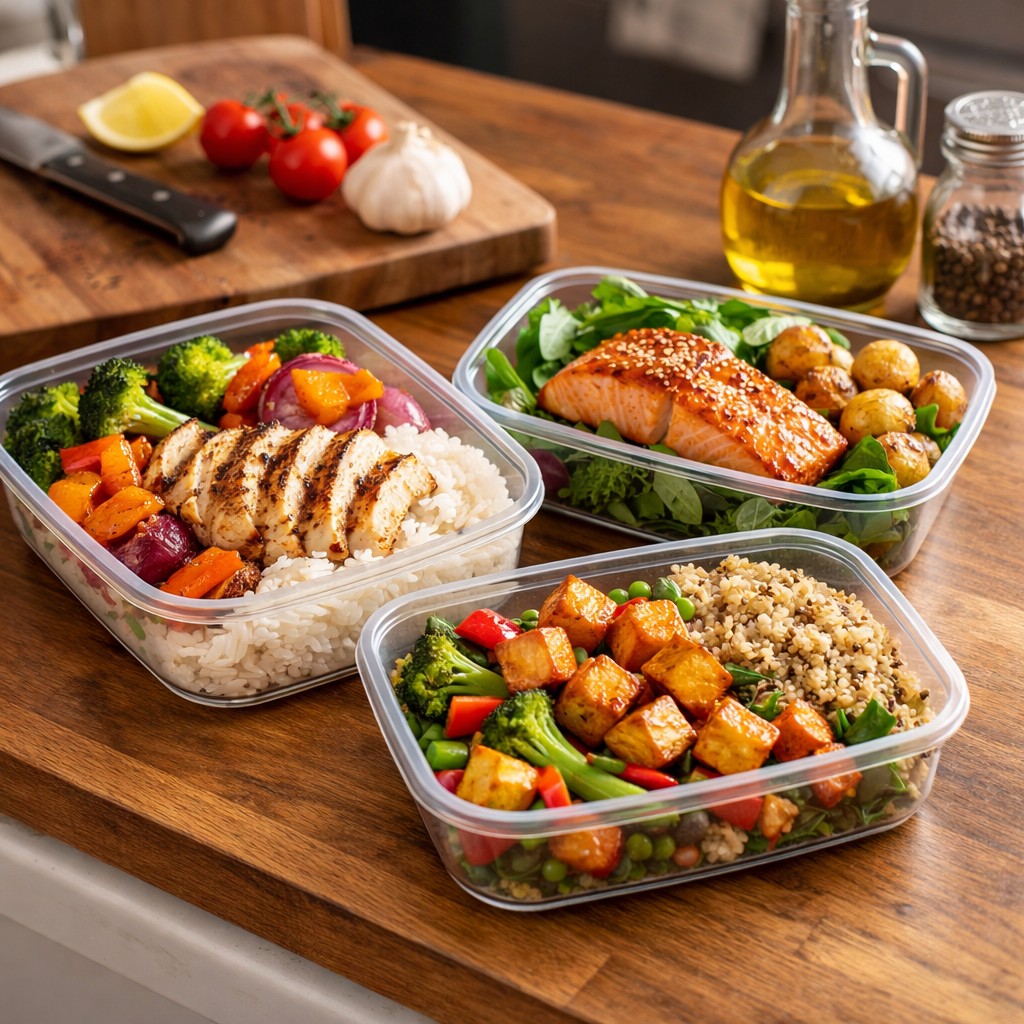 Default meal templates reduce decision fatigue and make consistency easier.
A sustainable pace is usually about 0.25% to 1% of body weight per week. The right pace depends on starting body fat, training experience, sleep, job stress, and how much social eating you do. If you have frequent travel, high stress, or inconsistent sleep, choose the slower end to protect adherence.
Great for
If you track: start with a modest deficit relative to your maintenance estimate, then validate with results. If you do not track: use portion-based rules and consistent meal templates first, then only introduce tracking if progress stalls. The best starting target is the one you will follow for two full weeks without compensatory bingeing.
Great for
A practical baseline is roughly 1.6 to 2.2 grams of protein per kilogram of body weight per day for many active adults, adjusted for preferences and total calories. If you want an easier rule, aim for a high-protein serving at each meal and a protein-focused snack if needed. Consistency matters more than precision.
Great for
Most people do better spreading protein across two to four eating occasions instead of saving it for dinner. This supports satiety and helps you avoid arriving overly hungry to evening meals where calories are easiest to overshoot.
Great for
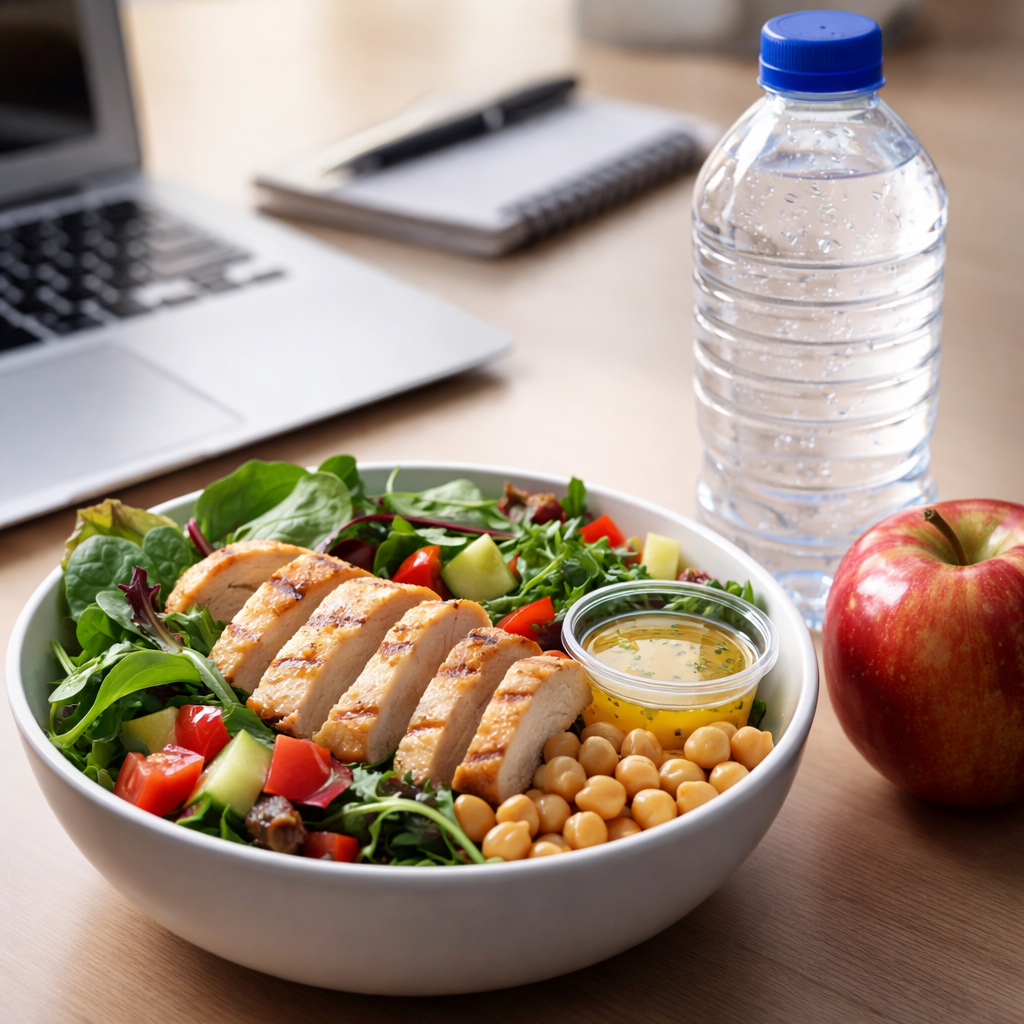 Protein and fiber anchors make lunches filling without excessive calories.
Build meals with a consistent structure: a palm-sized portion (or two) of lean protein, a large portion of vegetables or fruit, a fist-sized portion of carbs if training or active, and a thumb-sized portion of fats. Adjust portions based on progress: reduce carbs and fats slightly before reducing protein.
Great for
Examples: Greek yogurt with berries and oats; eggs with vegetables and a piece of fruit; protein shake plus a high-fiber side like fruit or oats. Breakfast repetition reduces morning friction and protects your protein baseline early in the day.
Great for
Choose a step goal you can hit most days and increase only when it becomes easy. If you already average low steps, even a moderate increase can meaningfully impact energy balance and health. Use walking calls, parking farther away, and post-meal walks to make it automatic.
Great for
A short walk after meals can reduce the urge to snack and supports better blood glucose regulation. It is one of the highest-ROI habits because it improves health and helps maintain a deficit without needing more dietary restriction.
Great for
Common sustainable options include full-body training two to three days per week, or upper-lower splits four days per week if time allows. The key is consistent exposure to major movement patterns: squat or leg press, hinge, push, pull, and loaded carries or core work.
Great for
Use exercises you can load progressively with good technique. Track a few core lifts and aim for small improvements in reps, load, or control over time. During a calorie deficit, maintenance of performance is often a win, especially when sleep and stress are variable.
Great for
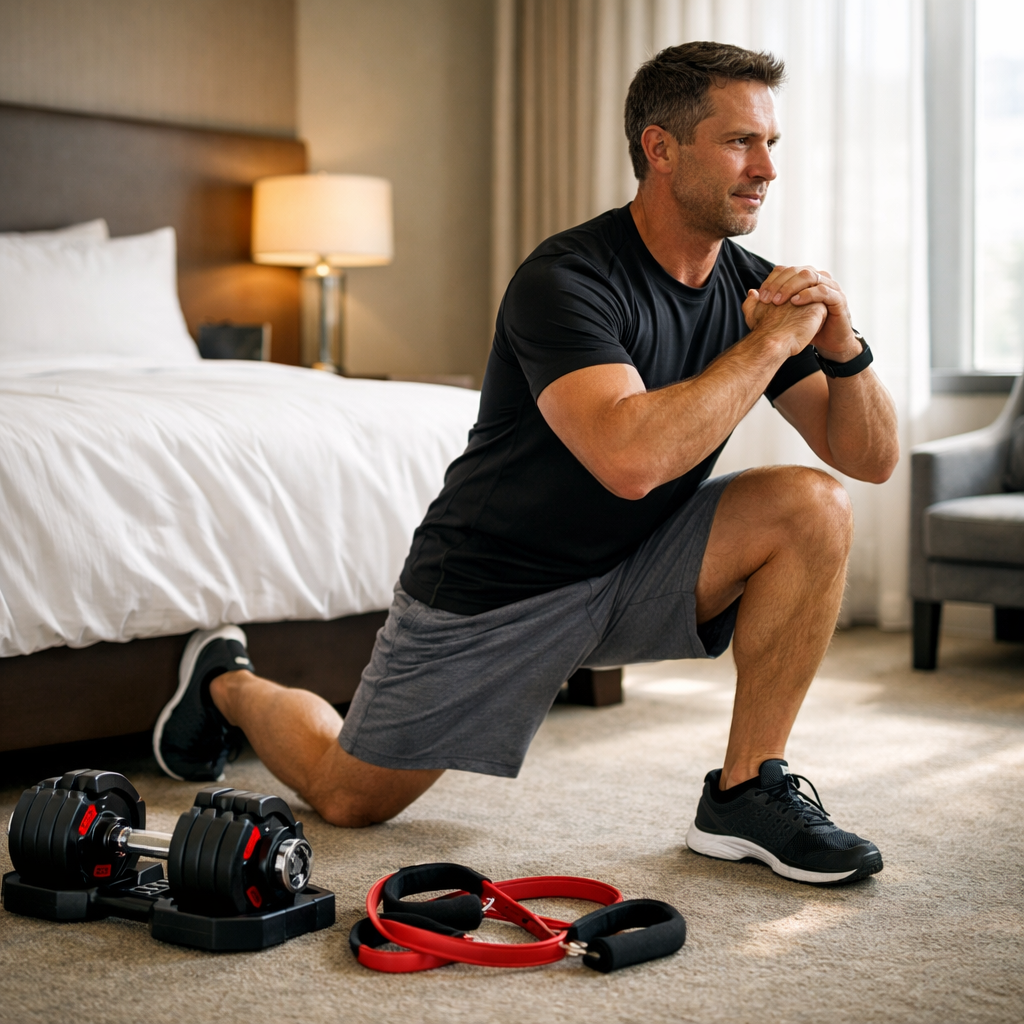 A simple travel fallback workout protects consistency when schedules change.
Aim for a repeatable bedtime and wake time that you can sustain on weekdays. Even if total sleep is not perfect, consistency improves sleep quality and reduces late-night snacking. If you can only change one thing, move bedtime earlier by a small amount and keep it stable.
Great for
Use a predictable sequence that reduces stimulation: dim lights, reduce screens, prepare next day’s essentials, and choose a calming activity. This routine also reduces decision fatigue and improves next-day food choices by increasing sleep quality.
Great for
High-signal metrics for most busy professionals include: daily or frequent weigh-ins summarized as a weekly average, weekly waist measurement, average daily steps, and protein consistency. Optional metrics include training performance and sleep duration. If tracking increases stress, reduce frequency and focus on behavior metrics.
Great for
Make changes only after consistent execution for at least two weeks, and preferably three. This reduces overcorrection due to water retention. If weight trend and waist are not moving and adherence is strong, adjust one lever at a time.
Great for
Anchor the meal around a lean protein and vegetables. Choose cooking methods like grilled, baked, roasted, or steamed when possible. Keep sauces and dressings on the side, and decide in advance whether you want bread, dessert, or alcohol so the meal does not become an unplanned calorie stack.
Great for
Travel increases exposure to ultra-palatable foods and reduces movement. Use a simple checklist: protein at breakfast, a portable protein snack, water, a step goal, and a short workout if possible. At hotels, build breakfast around eggs, yogurt, or lean meats plus fruit.
Great for
When you reach your goal or need a break, increase intake slowly while keeping protein and steps consistent. Watch weight trend and waist for several weeks. A controlled transition helps your appetite cues stabilize and reduces rebound.
Great for
The behaviors that created fat loss are also what maintain it. Most people do well with a stable protein baseline, a step floor, and at least two resistance sessions per week. This protects body composition and makes small weight drifts easier to correct early.
Great for
The highest-ROI strategy for busy professionals is anchoring a few behaviors daily: protein, steps, and a repeatable training schedule. When these anchors are stable, calorie control becomes much easier without constant tracking.
Most “hard” fat loss problems are actually consistency problems driven by friction: unpredictable meals, low movement on busy days, poor sleep, and unstructured weekends. Systems reduce friction better than motivation.
Small adjustments applied consistently outperform aggressive plans that trigger hunger, fatigue, and rebound. The best framework uses minimal effective changes and waits for trend data before reacting.
Flexibility works best when it is planned. Default meals and restaurant rules allow social life without turning every event into a calorie blowout.
Frequently Asked Questions
No. Many people succeed with portion-based templates, protein and fiber anchors, and a step goal. Calorie tracking can help if you are stuck or if your schedule includes frequent restaurants and alcohol, but it is optional if your system creates a consistent weekly deficit.
Two to three full-body resistance sessions per week is a strong baseline for most. Combine that with a daily movement floor (steps) and you cover the core needs: maintaining muscle, supporting health, and keeping energy expenditure from dropping.
Water retention from sodium, stress, menstrual cycle, training soreness, and sleep changes can mask fat loss on the scale. Use weekly averages and pair them with waist measurements and adherence metrics before making changes.
Keep your day anchored with protein and a structured lunch, then at the event choose a protein-forward entrée, prioritize vegetables, keep sauces on the side, and decide in advance whether you will have alcohol or dessert. Planning your flexibility prevents impulsive stacking of extra calories.
First confirm consistency for two to three weeks. Then audit the common leak points: weekends, liquid calories, restaurant frequency, steps dropping, and snack creep. Fix adherence and increase steps before cutting calories further. If needed, make one small change and reassess after another two to three weeks.
Sustainable fat loss for busy professionals comes from a small set of repeatable behaviors: a realistic deficit, high-protein and high-fiber meals, a daily movement floor, and simple resistance training. Track progress with weekly trends and adjust in small steps after consistent execution. Start by choosing two anchors you can execute this week, then add the next module once those feel automatic.
Track meals via photos, get adaptive workouts, and act on smart nudges personalised for your goals.
AI meal logging with photo and voice
Adaptive workouts that respond to your progress
Insights, nudges, and weekly reviews on autopilot
Great for
Great for
Great for
Great for
Great for
Great for
Great for
Body weight fluctuates from water, sodium, stress, menstrual cycle, and training inflammation. Use a weekly average or a trend line rather than reacting to a single weigh-in. Aim for consistency in measurement conditions: similar time of day, similar hydration, and a consistent routine.
Great for
Use waist measurement, how clothes fit, gym performance, step counts, and adherence consistency. These reduce the chance of over-restricting when the scale is noisy. A shrinking waist with stable strength often indicates meaningful fat loss even if scale changes are slower.
Great for
Build meals around a vegetable or fruit volume component plus a higher-protein core. Beans, lentils, berries, oats, potatoes, and whole grains can improve fullness relative to calories. Increase fiber gradually and pair it with adequate water to avoid digestive discomfort.
Great for
High-utility options include Greek yogurt, cottage cheese, eggs, rotisserie chicken, canned tuna or salmon, pre-cooked chicken or turkey, tofu and tempeh, protein shakes, and lean frozen meals you can augment with extra vegetables. The best choice is the one you can access on your busiest day.
Great for
Choose two to three lunch options you can execute reliably: meal prep bowls, grocery-store protein plus salad kits, or a consistent restaurant order that fits your targets. Protect lunch because a low-protein, low-fiber lunch often drives afternoon snacking and overeating at dinner.
Great for
Prioritize protein and vegetables at dinner, then fit carbs and fats around them. If dinner is unpredictable, keep breakfast and lunch more structured so you have flexibility later. This approach reduces the need to say no to every social meal while still producing a weekly deficit.
Great for
Have a default snack that prevents low-control choices: yogurt, a protein bar, cottage cheese, jerky, edamame, or a shake. Use snacks to support protein targets, not to fill boredom. If you snack mostly at night, pair protein with a calming routine and earlier dinner planning.
Great for
Short bursts of movement can accumulate: stairs, brisk five-minute walks, quick bodyweight circuits, or mobility breaks. This reduces stiffness, supports energy, and helps counter the typical drop in non-exercise activity that happens during dieting.
Great for
You do not need long cardio sessions for fat loss. For busy professionals, steps and brief conditioning sessions are often more sustainable. If you enjoy cardio, keep it moderate and do not let it replace resistance training or sleep.
Great for
Set a hard stop, such as 30 to 45 minutes, and focus on high-quality sets. Superset non-competing movements to save time. A capped plan prevents workouts from expanding beyond your calendar and improves adherence.
Great for
Conditioning can improve health and work capacity, but it should not sabotage recovery or increase hunger beyond what you can manage. Use short, repeatable sessions if you enjoy them, or rely on steps plus resistance training if you do not.
Great for
Prepare a simple hotel or home plan using dumbbells, resistance bands, or bodyweight: split squats, push-ups, rows, hinges, and planks. The goal during travel is continuity and preserving the habit, not personal records.
Great for
Stress often drives unplanned eating and reduced movement. A system approach is to pre-commit to the anchors even on stressful days: hit protein, get steps, and do a short training session or movement snack. This keeps you from needing motivation when willpower is low.
Great for
Caffeine can support performance and appetite management, but late-day intake may reduce sleep. Alcohol adds calories, lowers food restraint, and worsens sleep quality. If you drink, set simple rules: limit frequency, choose smaller servings, and prioritize protein and vegetables before alcohol.
Great for
Prioritize adherence fixes first: tighten weekends, reduce liquid calories, increase protein at breakfast, or add steps. If needed, reduce calories modestly or add a small amount of activity. Small adjustments preserve performance, mood, and sustainability.
Great for
The usual causes include portion creep, more restaurant meals, reduced steps, increased snacking, weekend compensation, poor sleep, and stress eating. Rarely, true plateaus require aggressive cuts. Most are solved by re-establishing anchors and improving consistency.
Great for
Many professionals lose progress on weekends. A sustainable approach is to keep protein and steps consistent, then allow some flexibility with carbs, fats, and social meals. Plan one or two higher-calorie events and keep other meals simple and anchored.
Great for
Alcohol can slow progress via calories, appetite, and sleep disruption. If you drink, keep portions smaller, alternate with water, and avoid pairing alcohol with high-fat, high-sugar foods. The most effective lever is frequency: fewer drinking occasions per week usually matters more than the specific drink choice.
Great for
Maintenance is easier when you accept a small normal weight range. If you drift above your guardrail, return to the fat loss anchors for two to four weeks and correct early. This is more sustainable than waiting until the regain is large.
Great for
Stock high-protein staples, convenient produce, and low-friction meals. Reduce trigger foods in the home if they consistently cause overeating, or create rules for where and when they are eaten. Environment design reduces reliance on willpower during stressful periods.
Great for
