December 19, 2025
Progressive overload is the long-term driver of strength and muscle: gradually asking your body to do slightly more than it has adapted to. This guide explains what “more” really means, how to apply it across exercises and goals, and how to keep progressing when gains slow down.
Progressive overload is a planned increase in training stimulus over time; it is not “maxing out” every session.
“More” can mean more weight, more reps, more sets, better technique, longer range of motion, shorter rest, or higher density—choose the lever that fits the exercise and your recovery.
Plateaus are usually a mismatch between stimulus and recovery, poor progression rules, inconsistent technique, or unrealistic jumps.
Use a progression method (double progression, top-set plus back-offs, or RPE/RIR-based) and deload periodically to keep performance trending upward.
Track a small set of key metrics and standardize execution so your progress data is trustworthy.
This pillar is organized as a practical checklist: definition and principles, the overload “levers,” how to pick the right progression model, how to program volume and intensity, how to manage fatigue and deloads, and how to troubleshoot plateaus. Recommendations are based on well-established strength and hypertrophy principles: specificity, overload, fatigue management, and consistent measurement (load, reps, sets, proximity to failure, rest, and technique).
Most plateaus happen because training changes are random, too aggressive, or not measurable. A simple, repeatable overload system lets beginners progress faster, reduces injury risk, and helps intermediate lifters keep improving when “just add weight” stops working.
Progressive overload means your training provides a slightly greater challenge over time so your body has a reason to adapt. That adaptation can be improved neural efficiency (strength skill), increased muscle size, better work capacity, improved technique, or a mix. The key is that the change is intentional, measurable, and recoverable.
Training hard matters, but progressive overload is not constant testing. If you chase personal records every session, fatigue accumulates faster than adaptation. A better approach is training mostly at a sustainable intensity, building performance gradually, then occasionally testing or realizing strength after a deload.
Progress is rarely linear. Expect small improvements, occasional flat sessions, and periodic step-backs (deloads). If your 4–8 week trend in performance is up while technique stays consistent and recovery is stable, you are applying progressive overload correctly.
To get stronger in a lift, you must practice that lift or close variations with appropriate loads and reps. To build muscle, you need enough weekly hard sets per muscle group with adequate proximity to failure and a range of rep targets. “Harder” training that is not specific often just produces fatigue.
 Progressive overload works best when performance is measured and technique is consistent.
The most obvious lever. Works well on stable compound lifts (squat, bench, deadlift, overhead press) and many machine movements. Use small jumps and only increase load when you can hit a target rep range with consistent technique and similar effort (RIR/RPE).
Great for
A reliable and joint-friendly lever. Particularly useful for hypertrophy work and for lifters without micro-plates. Reps are easiest to standardize when you keep range of motion, tempo, and rest consistent.
Great for
Write the weight, reps, and sets for each working set, and note the variation (high-bar vs low-bar squat, grip width, machine model if relevant). Small variation changes can alter difficulty and make comparisons misleading.
RIR (reps in reserve) is the simplest: how many good reps you had left. For most work, staying around 0–3 RIR balances stimulus and recovery. If effort drifts wildly week to week, load and rep comparisons won’t reflect true progress.
Rest affects reps and load tolerance. If one week you rest 3 minutes and the next week 90 seconds, performance differences might be conditioning, not strength. Standardize rest for your key lifts.
If a bench press becomes a bounce or a squat becomes high, you may be inflating numbers while losing stimulus. A single line note like “paused first rep” or “full depth” protects the integrity of progression.
For squat, bench, deadlift, and overhead press, most working sets are productive at about 1–3 RIR. This keeps technique cleaner and fatigue manageable so you can practice consistently. Going to failure too often on heavy compounds tends to stall progress and increase injury risk.
For stable exercises like leg press, rows, pulldowns, and isolation work, sets at 0–2 RIR commonly produce strong hypertrophy stimulus. The more stable the exercise and the lower the skill demand, the safer it is to push effort.
New lifters grow and gain strength with relatively modest effort because the body is highly responsive and technique is improving. Living at 0 RIR is unnecessary. Aim for sets that feel challenging but controlled, then progress steadily.
Progressive overload relies on comparable reps. If your last reps are a different movement (hips shooting up, bouncing, twisting), you’re not building repeatable strength. Stop a rep or two earlier and progress by improving quality.
Pick a rep range for each exercise (for example, 6–10). Use a weight you can do for the low end with good form. Each session, try to add reps until you can hit the top end for all sets at the planned effort. Then increase weight slightly and repeat. This is simple, measurable, and works extremely well for beginners and hypertrophy-focused training.
Great for
Do one heavier “top set” in a lower rep range at a planned effort (for example, around 1–2 RIR), then do a few lighter back-off sets for more volume. Progress the top set slowly, and let back-off performance follow. This balances strength practice with hypertrophy volume and helps manage fatigue.
Great for
 A simple log and small load increments make progression easier to execute.
Lower rep ranges are useful for practicing heavy singles, doubles, and triples with clean technique, and for building confidence under load. You do not need to lift maximal weights often; consistent submaximal heavy work is usually more sustainable.
Moderate reps are a sweet spot for many lifters because you get enough practice reps to improve technique while still using meaningful loads. This also builds muscle, which supports long-term strength potential.
Higher reps on accessories can reduce joint stress per rep and allow you to accumulate volume close to failure safely. Accessories are where rep-based overload (more reps or shorter rest) is often easiest.
A common plateau pattern is staying locked into one rep range forever. Training a lift heavy once per week and moderately once per week can improve both skill and muscle while reducing monotony and overuse.
Higher intensity (heavier loads) is more specific to maximal strength but is also more fatiguing per rep. If intensity is high all the time, recovery becomes the bottleneck and progress slows.
Volume is a primary driver of hypertrophy and supports strength by building muscle and technique repetitions. But more volume is not always better. Beyond your recoverable amount, extra sets reduce performance, increase soreness, and can cause plateaus.
Heavy training demands longer recovery. If you increase load aggressively, you often need to keep total sets stable or even slightly reduce them. If you add sets, you may need to keep effort (RIR) a bit higher to prevent burnout.
For most people, a stable baseline of weekly hard sets per muscle group and a clear intensity plan on main lifts works better than constantly changing everything. When progress stalls, adjust one variable at a time: first technique, then recovery, then volume or intensity.
One day focuses on heavier, lower-rep work with clean reps and longer rest. The second day focuses on slightly lighter loads with more total reps and controlled technique. Overload can occur on either day, but the heavy day often progresses slower.
Choose accessories that address weak points and add volume without crushing recovery. Examples: rows and pull-downs for bench stability, split squats and hamstring work for squat and deadlift, upper back work for posture and bracing. Progress accessories mainly through reps and sets.
A training block works best when you hold exercise selection and rep ranges stable long enough to see trends. Randomly swapping exercises makes it hard to know whether you are stronger or simply learning a different movement.
If you add weight too aggressively, you may miss reps, grind, and accumulate fatigue, which can stall progress. For upper body compounds, smaller increases are often needed; for lower body compounds, slightly larger jumps may be tolerated, depending on experience and equipment.
Not having micro-plates is common. If the next plate jump is too big, use rep progression, add a back-off set, or add a pause/tempo to increase stimulus without changing the bar weight.
Instead of increasing weight on a schedule, increase weight when you hit a performance standard: all sets within the rep range at the planned RIR with consistent depth, touch point, and rest. This keeps progression honest and repeatable.
A deload is a planned short reduction in training stress to dissipate fatigue while maintaining skill. It commonly involves reducing volume (fewer sets) and sometimes reducing intensity (lighter loads), while keeping movement patterns similar.
Repeatedly missing your usual reps at the same load, persistent soreness that doesn’t improve, declining bar speed, poor sleep, low motivation to train, and nagging aches that worsen with normal sessions. One bad day is normal; a multi-session trend is meaningful.
You can reduce sets by about a third to a half, keep loads moderate, and avoid training to failure. Another option is keeping sets but lowering load. The best choice is the one that leaves you feeling fresher while preserving technique.
Some lifters deload every 4–8 weeks; others deload only when performance or recovery trends down. If you are a beginner, you may need deloads less frequently because loads are lighter and recovery demands are lower.
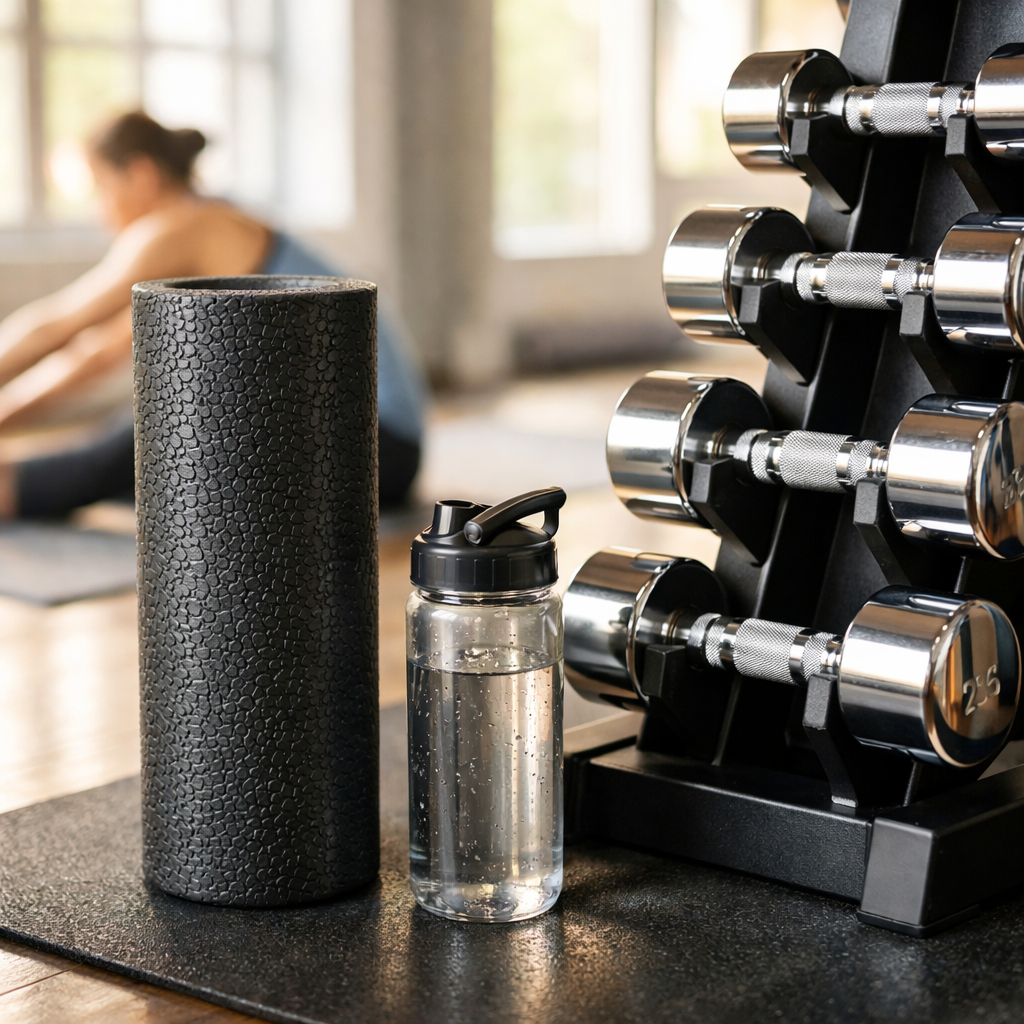 Fatigue management and recovery habits support long-term overload.
If depth, pause, touch point, grip, stance, or tempo changes, the lift is different. Fix by standardizing technique and filming occasional sets to confirm consistency, especially on squat and bench.
Adding too much weight forces missed reps or form breakdown, and you end up accumulating fatigue without enough quality volume. Fix by using smaller jumps, rep-based progression, or microloading.
A common stall is pushing heavy sets near failure while also adding more sets. Fix by keeping one variable stable, adding a deload, and choosing where to push: either heavier work with controlled volume or more volume with slightly more RIR.
If sets consistently end with many reps left in the tank, or weekly sets are very low, progress can slow. Fix by bringing effort closer to planned RIR and adding a small amount of weekly volume, especially on accessories.
Prioritize specificity: practice the competition or main variations regularly, use heavier loads more often, and keep most sets shy of failure. Progress is often slower and more technique-dependent. Track performance on a few key lifts and keep accessories supportive rather than exhaustive.
Great for
Prioritize weekly hard sets and consistent effort near failure on stable exercises. Use rep and set progressions frequently, and add load when rep targets are consistently achieved. Rotate rep ranges and keep form strict to ensure the target muscles do the work.
Great for
Examples: squat depth and bracing; bench touch point and controlled descent; deadlift start position and lockout. If you can’t keep standards, you don’t increase load. This prevents “progress” that is really just looser technique.
Muscle burn and effort are normal; sharp pain, joint pain that worsens set to set, numbness, or pain that changes your movement is a stop sign. Modify range of motion, reduce load, swap the exercise, or seek a qualified professional if symptoms persist.
Machines and well-supported dumbbell movements are usually safer for near-failure sets because form breakdown is less risky. Save the most aggressive effort for exercises where a missed rep is not dangerous.
Do enough warm-up sets to reach your working weight with good movement quality, but keep them low fatigue. Warm-ups should improve performance, not drain it.
The most sustainable overload strategy is usually reps-first, weight-second, with standardized technique; it produces steady progress without constantly testing limits.
Plateaus are often solved by improving measurement and fatigue management, not by adding more intensity. When progress slows, the first fixes are consistency, realistic jumps, adequate recovery, and a deload if needed.
Strength gains come from both bigger muscles and better skill. Training that builds muscle while keeping technique practice frequent tends to outperform programs that only chase heavy singles.
Frequently Asked Questions
Beginners may add reps or small amounts of weight almost weekly on many lifts, especially for upper-body and machine work. As you become more trained, progress is slower and may show up as small rep increases, better technique at the same load, or improved performance after a deload. Use 4–8 week trends, not single sessions.
No. Most progress happens with sets taken close to failure but not always to failure. Leaving about 1–3 reps in reserve on main compounds usually supports better technique and recovery. Training to failure is more appropriate for stable accessory exercises if recovery is good.
Progress by adding reps, adding a set, improving range of motion, adding pauses, or reducing rest times on accessories. You can also use micro-plates or fractional plates. The key is to increase stimulus in a measurable way without breaking form.
If performance is down for multiple sessions, soreness lingers, sleep worsens, or nagging aches are increasing, a deload is usually the faster path back to progress. If you just had one off day, keep the plan, reduce load slightly if needed, and reassess next session.
Yes. Overload can come from harder variations (assisted to unassisted, then weighted), more reps, more sets, slower tempo, longer pauses, shorter rest, or increased range of motion. Treat it like any other program: standardize form and progress one lever at a time.
Progressive overload is a repeatable system: choose a progression method, standardize your technique, and increase one training variable in small, recoverable steps. When progress slows, adjust the simplest factors first—execution consistency, realistic jumps, and recovery—then use deloads and targeted accessories to break plateaus. Pick one model, track it for several weeks, and let the trend guide your next change.
Track meals via photos, get adaptive workouts, and act on smart nudges personalised for your goals.
AI meal logging with photo and voice
Adaptive workouts that respond to your progress
Insights, nudges, and weekly reviews on autopilot
Increasing sets increases weekly volume, which often supports hypertrophy and skill practice. Add sets cautiously: too much volume can stall progress by increasing fatigue faster than adaptation, especially on heavy compounds.
Great for
Deeper squat depth, full lockouts, controlled eccentrics, and consistent touch points can reduce the load you can use short-term but increase quality and long-term progress. This is true overload because it increases mechanical demand.
Great for
Better technique can increase performance without changing load or reps. That is still progressive overload because your body is adapting to a more effective movement pattern. Standardized technique also makes your progress data meaningful.
Great for
Shorter rests increase density and metabolic stress. This can improve work capacity and hypertrophy, but can interfere with maximal strength if pushed too far. Use it mainly on accessory work.
Great for
Pauses and slower eccentrics increase time under tension and reduce the ability to “cheat.” Expect to use lighter loads. This is valuable for building strength off the bottom, reinforcing positions, and improving technique.
Great for
Examples include moving from a goblet squat to a front squat, from incline push-ups to bench press, or from assisted pull-ups to bodyweight. This is often the best overload lever for true beginners.
Great for
More exposures can improve technique and distribute weekly volume across sessions, which can improve performance. Frequency is not automatically better; it only helps if total weekly work and recovery are managed.
Great for
Strength is influenced by bodyweight, sleep, stress, and nutrition. Tracking weekly average bodyweight and a simple sleep note helps explain fluctuations without overreacting to a single bad session.
Keep the load fixed for a short block and aim to increase total reps across sets while maintaining form and rest times. When total reps hit a threshold, add load. This is helpful when weekly readiness fluctuates or when small weight jumps aren’t available.
Choose a target reps and target RIR. Increase load when you can complete the reps with more RIR than planned, or reduce load if you cannot reach the reps at the planned effort. This is flexible and works well for people with variable sleep, stress, or athletic schedules.
Strength is sensitive to recovery. If bodyweight is dropping fast, sleep is poor, or stress is high, overload may be unrealistic. Fix by stabilizing sleep, eating enough protein and calories for your goal, and lowering training stress temporarily.
If you always miss at the same point, you may need more targeted volume. Fix by adding accessories that attack the sticking point and using variations like pauses to build strength in the weak position.
Progress may slow because calories are lower. The goal is usually to maintain or slightly improve performance while managing fatigue. Keep intensity on main lifts relatively high to maintain strength, reduce volume if recovery is poor, and use accessories strategically.
Great for
Re-gains can be rapid, but connective tissues may lag behind. Use conservative progression, focus on technique, and avoid frequent all-out sets. The best indicator is consistent weekly performance without joint irritation.
Great for
