December 19, 2025
Calories are energy, macros are the nutrients that provide energy and structure, and micros are vitamins and minerals that run essential body processes. This guide explains what each is, how they work together, and a practical way to plan meals for your goals without getting overwhelmed.
Calories set the direction of weight change; food quality and protein largely shape how you feel and perform.
Macros are protein, carbohydrates, and fats; they affect hunger, muscle maintenance, training, and health in different ways.
Micronutrients do not provide calories, but they are critical for energy production, immunity, bone health, and recovery.
A simple plate structure plus a few repeatable habits can cover most beginners’ nutrition needs.
This guide is organized as a practical checklist of core nutrition concepts, ordered by what most strongly affects results for beginners: energy balance first, then protein, then carbs and fats, then micronutrients, hydration, meal timing, and finally supplements. The ordering reflects impact on body weight and body composition, reliability of the evidence, and how easy each concept is to apply consistently.
Most nutrition confusion comes from mixing up calorie balance, macros, and micronutrients, or trying to optimize advanced details before the basics. Learning the fundamentals helps you make good choices in any diet style and avoid common traps like under-eating protein, fearing carbs or fats unnecessarily, or relying on supplements to fix a food-quality problem.
Calorie intake versus calorie expenditure is the strongest driver of weight gain or loss. Without the right overall energy balance, macro and micro tweaks rarely deliver the result you want.
Great for
Adequate protein improves fullness, supports muscle repair and growth, and helps preserve lean mass during fat loss. It is one of the highest-return changes most beginners can make.
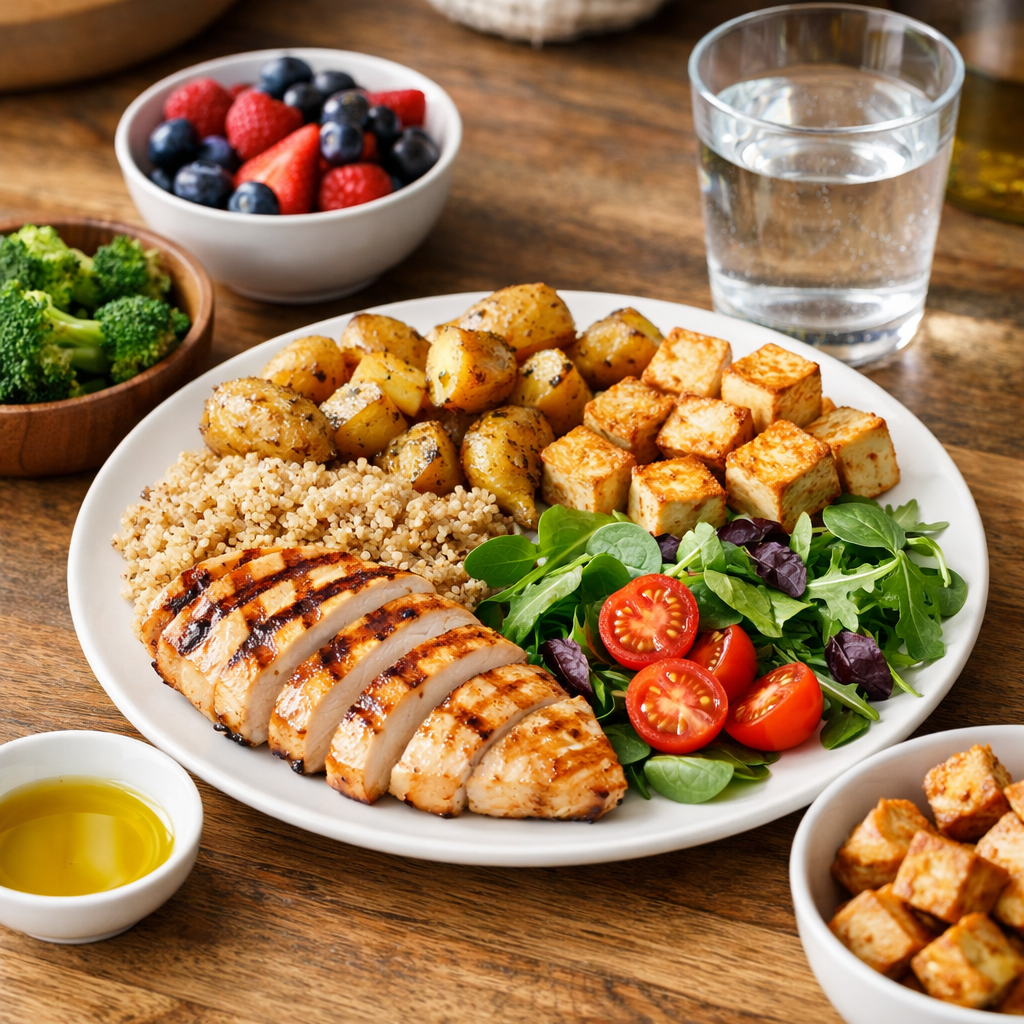 A balanced meal template that covers calories, macros, and micronutrients.
A calorie measures energy. Food provides energy and your body expends energy through basal metabolism, daily movement, digestion, and planned exercise. Labels list kilocalories as Calories. Two foods with the same calories can differ in fullness, protein, fiber, and micronutrients, so calories matter, but they are not the only thing that matters.
If average intake is above expenditure, weight tends to rise; if below, weight tends to fall. Day-to-day scale changes are mostly water, glycogen, and food volume, so focus on trends over weeks. Many plateaus are caused by calorie creep, reduced spontaneous movement, or inconsistent weekends rather than a broken metabolism.
Maintenance is the intake that keeps body weight stable on average. A deficit supports fat loss; a surplus supports weight gain. Practical rates vary, but many people do well with gradual changes they can sustain. Faster is not always better because aggressive deficits can increase hunger, reduce training quality, and raise the chance of muscle loss.
Tracking calories can teach portion sizes and uncover hidden intake, but it is not required. Alternatives include a consistent meal template, portion guides, or focusing on protein and fiber while adjusting portions based on weekly weight and measurements. Choose the method you can follow calmly for months, not days.
Protein provides amino acids for muscle, organs, enzymes, and immune function. It supports recovery and tends to increase fullness. Good sources include poultry, fish, lean meats, eggs, Greek yogurt, cottage cheese, tofu, tempeh, beans, lentils, and protein powders.
Carbs include sugars, starches, and fiber. They fuel training and daily activity, especially at higher intensities. High-quality carb sources often bring fiber and micronutrients: fruit, potatoes, oats, rice, legumes, and whole grains.
Fats support hormone production, brain health, and absorption of vitamins A, D, E, and K. Prioritize unsaturated fats from olive oil, nuts, seeds, avocado, and fatty fish. Keep an eye on portions because fats are calorie-dense.
Alcohol provides energy but few nutrients and can reduce sleep quality, recovery, and appetite control. If you drink, keep it moderate, account for its calories, and avoid using alcohol instead of meals that would otherwise provide protein and micronutrients.
Protein and carbs provide about 4 Calories per gram, fat provides about 9 Calories per gram, and alcohol provides about 7 Calories per gram. Your total calories come from the combination of macros plus alcohol if present.
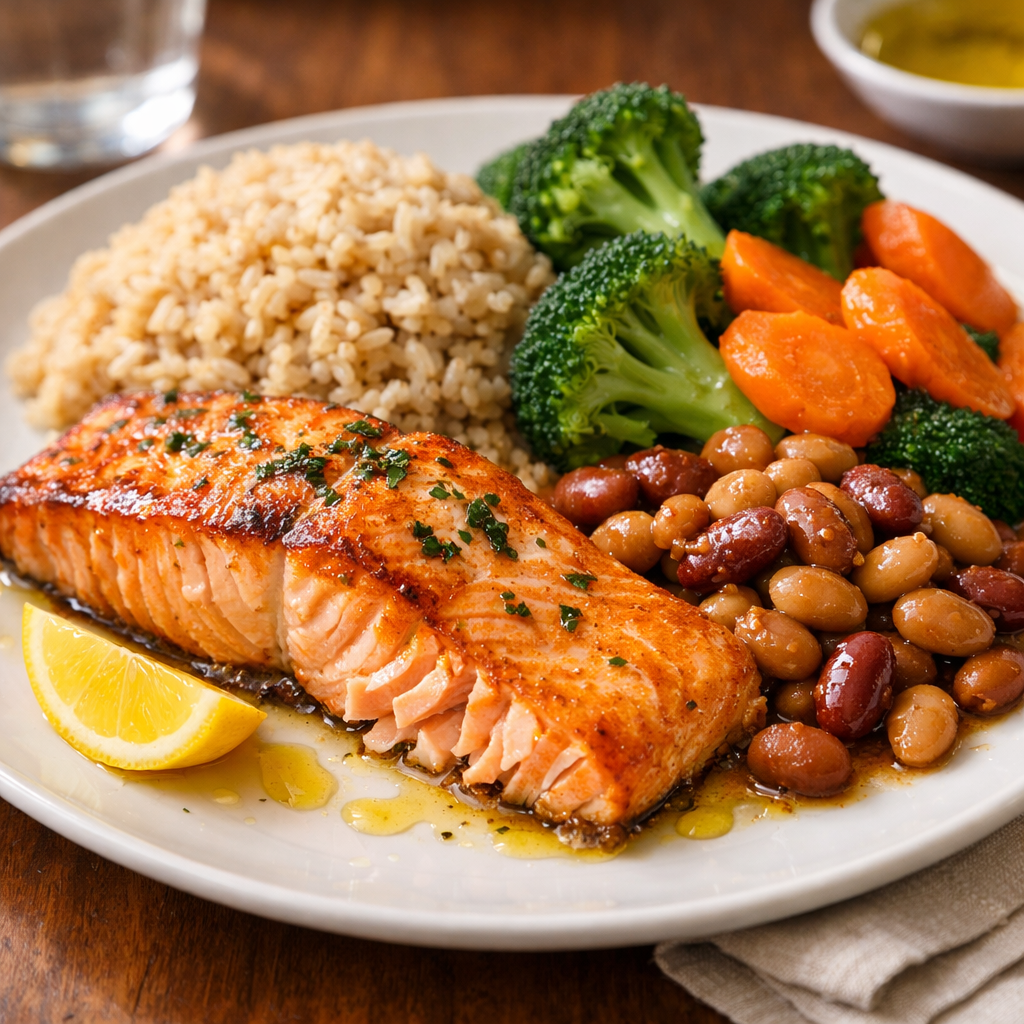 A single meal can deliver macros and key micronutrients together.
Supports bone health, immune function, and muscle function. Risk of low status is higher with low sun exposure, darker skin, indoor lifestyles, or limited dietary sources. Food sources include fatty fish and fortified dairy or alternatives; supplementation may be appropriate based on labs and clinician guidance.
Essential for bone structure, nerve signaling, and muscle contraction. Found in dairy, fortified plant milks, tofu made with calcium salts, canned fish with bones, and some greens. Adequate calcium matters across the lifespan, especially for adolescents, postmenopausal women, and older adults.
Needed for oxygen transport and energy metabolism. Low iron can contribute to fatigue and reduced performance. Heme iron from meat and seafood is absorbed well; plant sources include lentils, beans, spinach, and fortified grains. Vitamin C with meals can improve absorption of non-heme iron.
Supports red blood cell formation and nervous system health. Naturally found in animal foods; plant-based diets usually require fortified foods or supplements. Low B12 can cause fatigue, numbness, and anemia and should be addressed with testing and proper dosing.
Choose one main goal for the next eight to twelve weeks: fat loss, muscle gain, or maintenance with better performance. A clear goal determines whether you aim for a deficit, surplus, or maintenance.
Aim for a protein target you can hit consistently. For many active people, roughly 1.6 to 2.2 grams per kilogram of body weight is a solid range, adjusted for preference, digestion, and budget. If that is too hard, start lower and build up.
If you track, set calories to a modest deficit for fat loss or modest surplus for gain and refine based on weekly trends. If you do not track, adjust portions: increase high-fiber carbs and fats for a surplus, or reduce them for a deficit while keeping protein steady.
After protein, carbs and fats can be flexible. If you train hard or do endurance work, higher carbs often feel better. If you prefer fewer meals or lower carb patterns, slightly higher fats may help satisfaction. Keep fats adequate for health and keep carbs high enough to support training and fiber intake.
Include a clear protein source each time you eat. This makes it easier to reach the daily total without relying on one giant dinner. Options include meat, fish, eggs, dairy, tofu, tempeh, seitan, legumes, and protein-enriched foods.
Vegetables and fruit provide fiber and key micronutrients with relatively low calorie density. Aim for color variety across the week: dark leafy greens, orange and red produce, cruciferous vegetables, and berries or citrus.
Use carbs to fuel your day. On training days, include more carb foods such as rice, potatoes, oats, bread, fruit, or beans. On rest days or when reducing calories, slightly reduce carb portions while keeping vegetables and protein consistent.
Use fats to improve taste and satisfaction, but measure with your eyes and habits because they are easy to overpour. Choose mostly unsaturated fats and keep deep-fried foods and heavy added fats occasional if fat loss is a goal.
 Meal patterns that naturally cover protein, fiber, and micronutrients.
Fix by adding one protein serving to breakfast and choosing higher-protein snacks. If appetite is low, use lean protein sources and liquids like yogurt or shakes.
Fix by choosing high-fiber carbs and timing them around training. Many people feel and perform better when carbs are reduced moderately rather than eliminated.
Fix by using consistent portions of oils, nut butters, cheese, and nuts. Keep fats in the plan, but be intentional with calorie-dense add-ons.
Fix by pairing calorie-dense foods with protein or vegetables and watching serving sizes. Nuts, granola, and smoothie add-ins can add up quickly.
Fix by setting a minimum standard you can do on busy days: protein at each meal, one to two servings of fruit, two servings of vegetables, and adequate fluids. Consistency beats perfection.
Most visible progress comes from a small set of levers: a calorie target that matches the goal, enough protein, and a diet built mostly from high-satiety, nutrient-dense foods.
Carbs and fats are best treated as adjustable dials after protein is set; the right mix depends more on training demands and adherence than on a single ideal ratio.
Micronutrient problems usually come from low variety, low produce intake, or restrictive patterns; fixing the food base is typically more effective than adding many supplements.
The most sustainable approach uses templates and feedback loops: consistent meals, weekly trend checks, and small adjustments rather than constant daily micro-optimization.
Frequently Asked Questions
No. You need a consistent calorie deficit, but you can achieve it with tracking, portion control, meal templates, or habit-based approaches. Tracking can speed up learning and troubleshooting, but many people succeed without it by keeping protein high, emphasizing fiber-rich foods, and adjusting portions based on weekly trends.
A practical starting point is to prioritize protein first, then choose a carb and fat balance that supports your training and preferences. If you lift or do intense cardio, a moderate to higher carb intake often helps performance. If you prefer fewer meals or lower carbs, keep fats moderate and ensure fiber and micronutrients stay strong.
Symptoms are often nonspecific, such as fatigue, poor recovery, frequent illness, or brittle nails, and many causes are possible. The most reliable approach is to improve diet variety and get targeted labs when appropriate, especially for iron, vitamin D, B12, and thyroid-related nutrients, based on your diet pattern and risk factors.
Total daily intake matters far more than the time of day. Carbs at night are not inherently fattening. If evening carbs help you sleep and stay consistent with your plan, they can be a good choice. Adjust timing mainly to support appetite control and training performance.
If the basics are in place, creatine monohydrate is one of the best-supported performance supplements for strength and power. Protein powder can help convenience. Caffeine can improve performance for some people. Vitamin D, omega-3s, B12, iron, iodine, calcium, or magnesium may be useful depending on diet, labs, and individual needs.
Calories determine whether weight trends up, down, or stays stable, while macros shape performance, hunger, and body composition. Micronutrients, fiber, and hydration support health and help your plan feel better to follow. Start by setting a realistic calorie direction for your goal, hit a consistent protein target, build most meals from minimally processed foods, and adjust based on weekly trends.
Track meals via photos, get adaptive workouts, and act on smart nudges personalised for your goals.
AI meal logging with photo and voice
Adaptive workouts that respond to your progress
Insights, nudges, and weekly reviews on autopilot
Great for
Carbs strongly influence training performance, recovery, and diet quality because many carb foods provide fiber, vitamins, minerals, and phytochemicals. They are often misunderstood and unnecessarily restricted.
Great for
Fats are essential for health and make diets enjoyable and sustainable, but they are calorie-dense, which can quietly drive intake higher. Learning fat basics prevents both deficiency and accidental overconsumption.
Great for
Micronutrient adequacy underpins energy production, immunity, bone health, red blood cell formation, and recovery. Deficiencies can limit progress even if calories and macros look perfect.
Great for
Fiber improves fullness and supports gut health, and higher-fiber patterns are consistently associated with better health outcomes. It is also a common gap in modern diets.
Great for
Food quality strongly affects hunger, cravings, protein and fiber intake, and micronutrient adequacy. It also influences long-term health outcomes beyond the scale.
Great for
Dehydration can reduce performance and can be confused with hunger. Electrolytes matter for heavy sweating and endurance work, making hydration more than just water for some people.
Great for
Timing can improve performance and recovery, but it cannot compensate for poor total calories or insufficient protein. It becomes more relevant as training volume and specificity increase.
Great for
Most results come from calories, protein, and overall diet quality. Supplements can help fill gaps or support performance, but they are not a substitute for fundamentals.
Great for
Calories are not a moral score. Eating more calories on some days is normal. Burning calories through exercise is helpful but often overestimated by devices. Tiny daily differences add up over time, which is why small habits can work well.
Important for DNA synthesis and red blood cell production. Found in leafy greens, legumes, citrus, and fortified grains. Adequate folate is especially important in early pregnancy to reduce neural tube defect risk.
Required for thyroid hormones that regulate metabolism. Sources include iodized salt, seafood, dairy, and seaweed. People using only specialty salts or avoiding dairy/seafood may need to plan iodine intentionally.
Involved in hundreds of reactions including muscle and nerve function, sleep regulation, and energy metabolism. Found in nuts, seeds, legumes, whole grains, and leafy greens. Low intakes are common when diets are low in plant foods.
Both help regulate fluid balance and nerve and muscle function. Potassium is abundant in fruit, vegetables, beans, and dairy; sodium is common in processed foods and also important for athletes who sweat heavily. Balance depends on health status, blood pressure, and training context.
Not a vitamin or mineral, but often treated like a micronutrient concern because many diets lack EPA and DHA. Fatty fish is the best source; algae-based supplements are an option for plant-based diets.
Use a weekly average scale weight, waist measurement, progress photos, training performance, hunger, and energy. If nothing changes for two to three weeks, adjust intake slightly or increase daily movement. Avoid constant tinkering from normal water fluctuations.
If you snack, bias toward protein plus fiber: Greek yogurt with fruit, cottage cheese with berries, a protein shake and a banana, hummus with vegetables, or edamame. This supports fullness and overall nutrient intake.
Fix by protecting a regular sleep window and reducing decision fatigue with repeatable meals. Poor sleep increases hunger signals and reduces training quality, making nutrition harder.
